
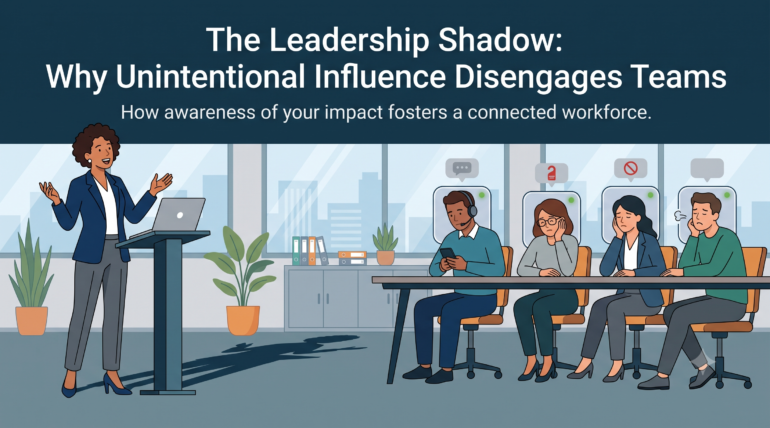
Many well-meaning leaders unknowingly sabotage their own authority. They follow the traditional playbook. They work harder. They provide constant input. They maintain a pleasant veneer. Yet, their teams disengage. The room goes quiet.
Influence isn’t lost in one big moment. It fades through “silent killers.” These are behaviors born from wanting to help. But they secretly drain your leadership capital.
To lead effectively, rethink your habits. Your most “helpful” habits might be your biggest liabilities.
1. The “Value Add” That Kills Ownership
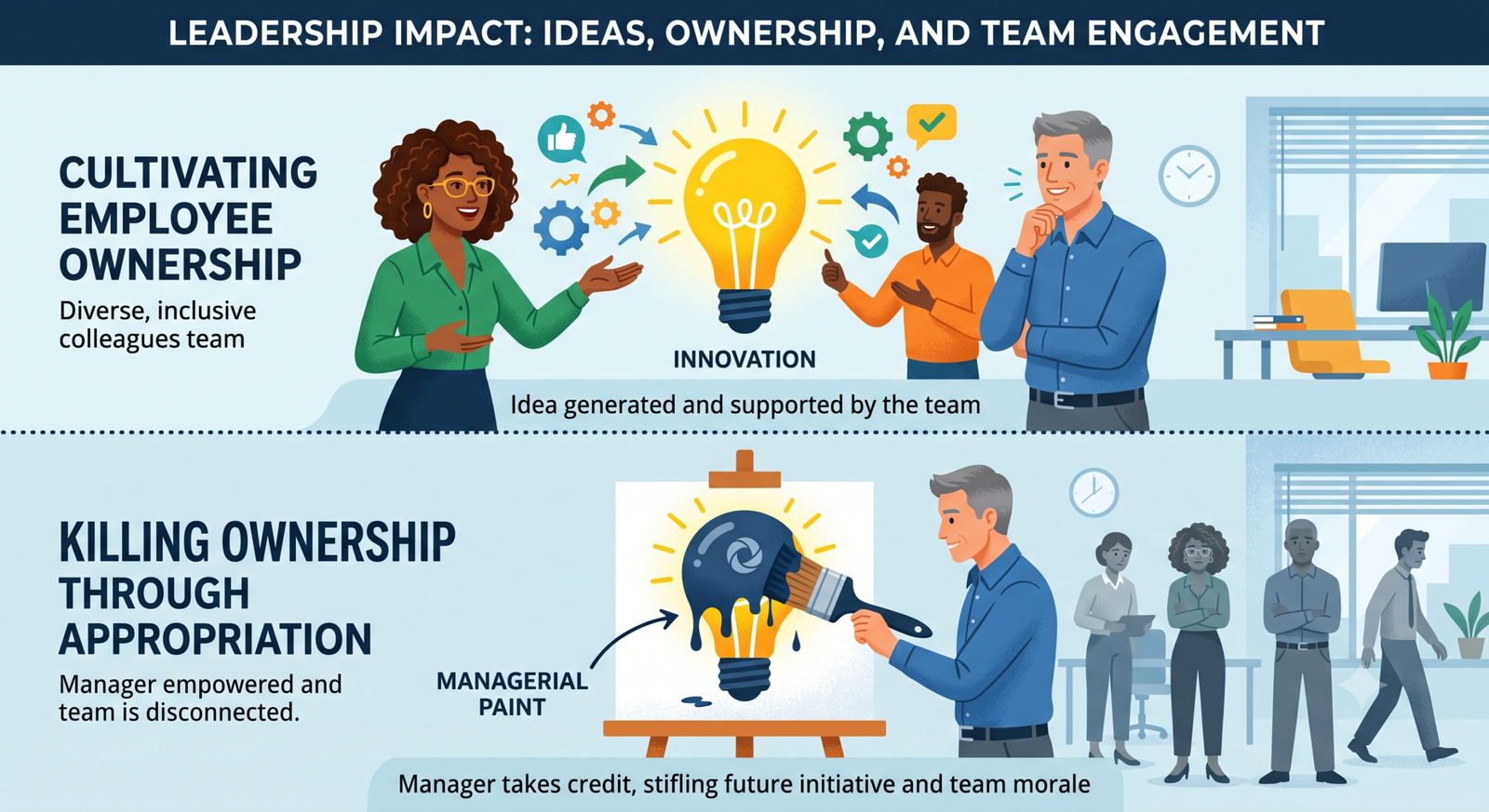
This is the classic high-achiever trap. A team member shares a great idea. You can’t resist polishing it. You suggest a 5% improvement. You use the dreaded phrase: “Great idea, but it would be better if…”
You think you’re adding value. Actually, you’re killing their ownership. By adding your 2 cents, you steal the “win.” The idea is yours now, not theirs.
A tiny 5% improvement is never worth a 50% drop in commitment. This is the law of diminishing returns.
Remember: The higher you go, the more your job is to make others feel like winners.
2. The Information Stopper: “I Already Knew That”
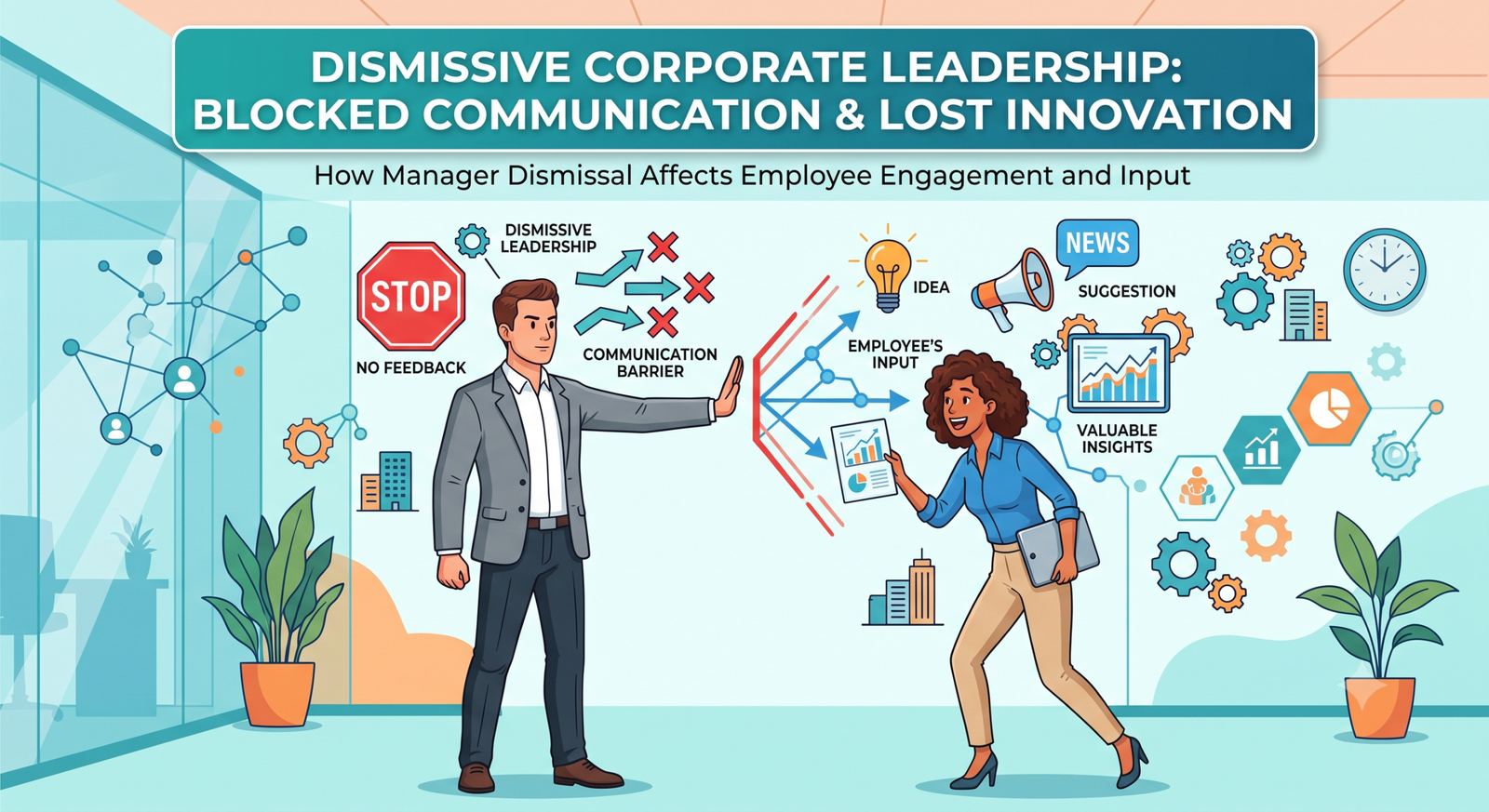
Leaders want to project mastery. They want to look like they’re on top of things. So, they dismiss news with, “I already knew that.”
This is a huge trap. You think you look powerful. Instead, you broadcast insecurity. Your team hears: “You wasted my time.”
Repeat this, and they will stop talking. You are training them to hide information. You are buying your own future ignorance.
Strategic restraint means listening anyway. Listen to what you know. Eventually, they will tell you what you don’t.
3. The “Niceness” Fallacy
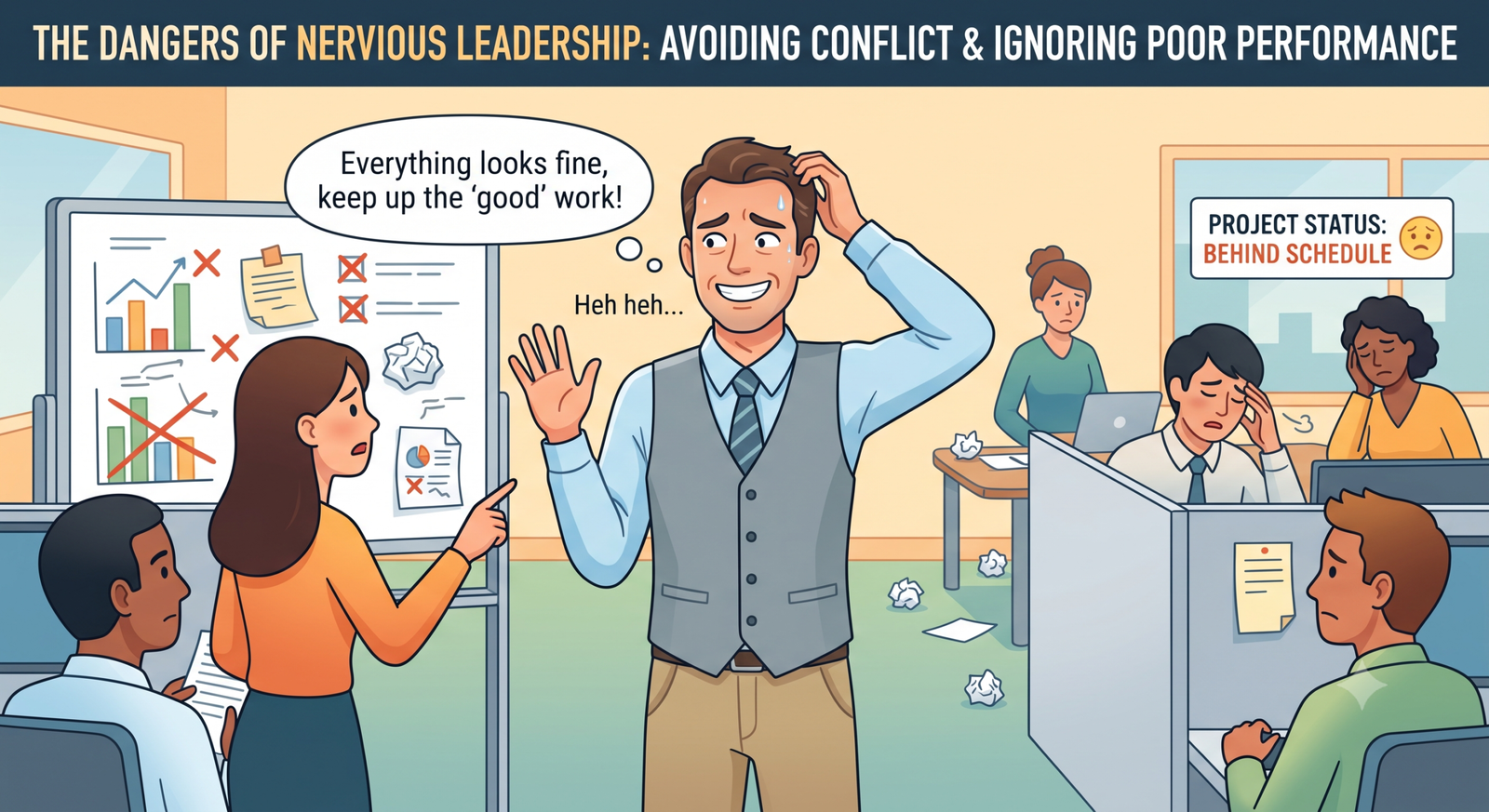
The “nice” leader is often the most dangerous. People confuse avoiding conflict with good leadership. They think keeping everyone happy means keeping them productive. That’s false.
This “niceness” is often cowardice. It’s avoiding the discomfort of command. High performers don’t respect leaders who tolerate weak standards.
When you accept mediocrity, you signal that excellence doesn’t matter. Know the difference between kindness and niceness. Kindness is direct. Niceness is vague.
Reclaim your influence. Name the standard out loud. Say: “Here’s the bar, and we’re not there yet.”
4. The Linguistic Wall
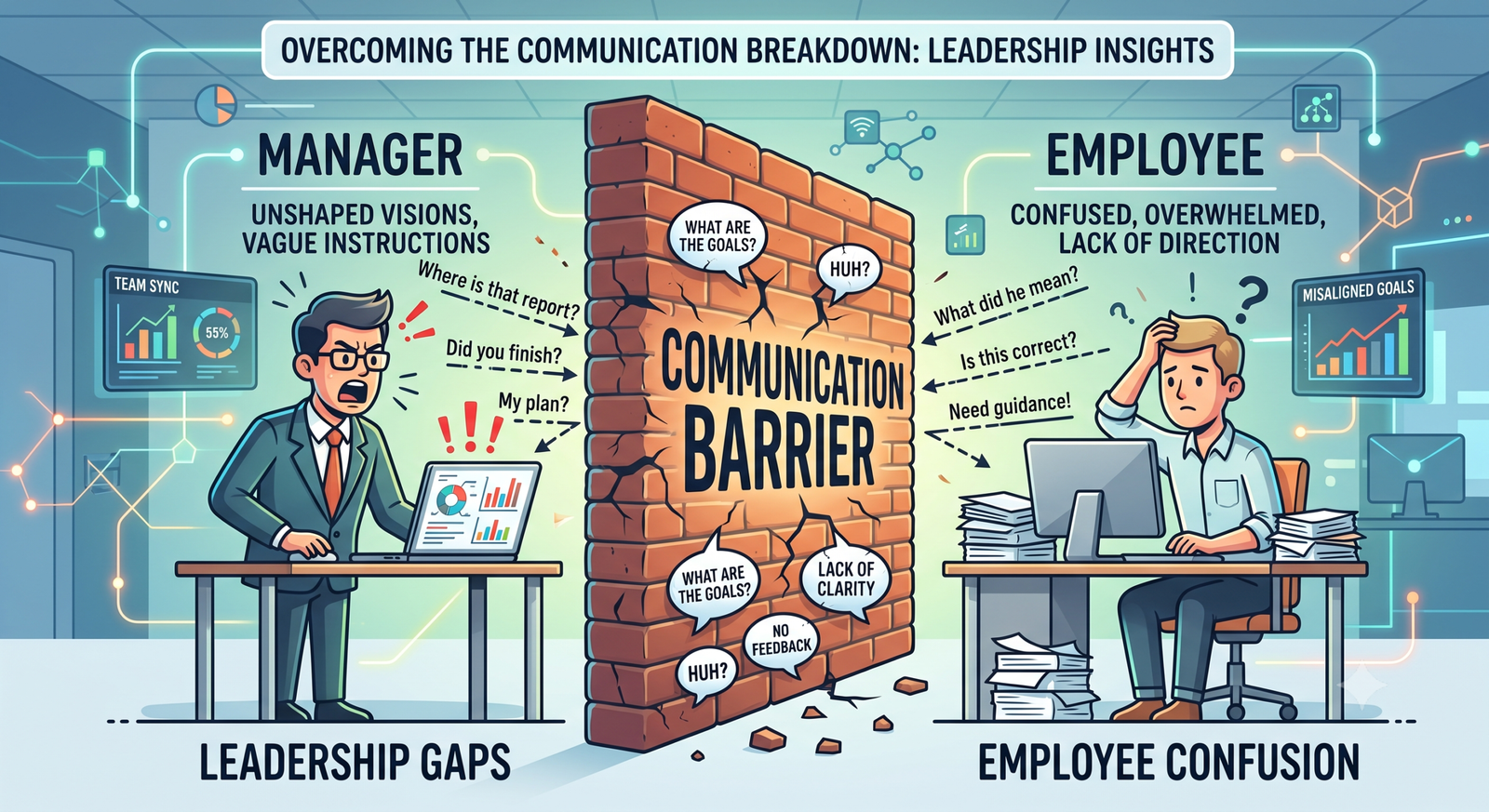
Words like “No,” “But,” and “However” are linguistic erasers. You can praise someone all you want. But if you use these words, you erase it all.
They are corrections disguised as contributions. They build a wall. They stop your team from sharing.
Want to keep momentum? Master the linguistic swap. Shift from “correcting” to “adding.” Swap “Yes, but…” for “Yes, and…”
Try this: “I agree with that. The piece I’d add is…” This preserves their contribution. It lets you steer the direction. Keep the ideas flowing.
5. The Authenticity Shield
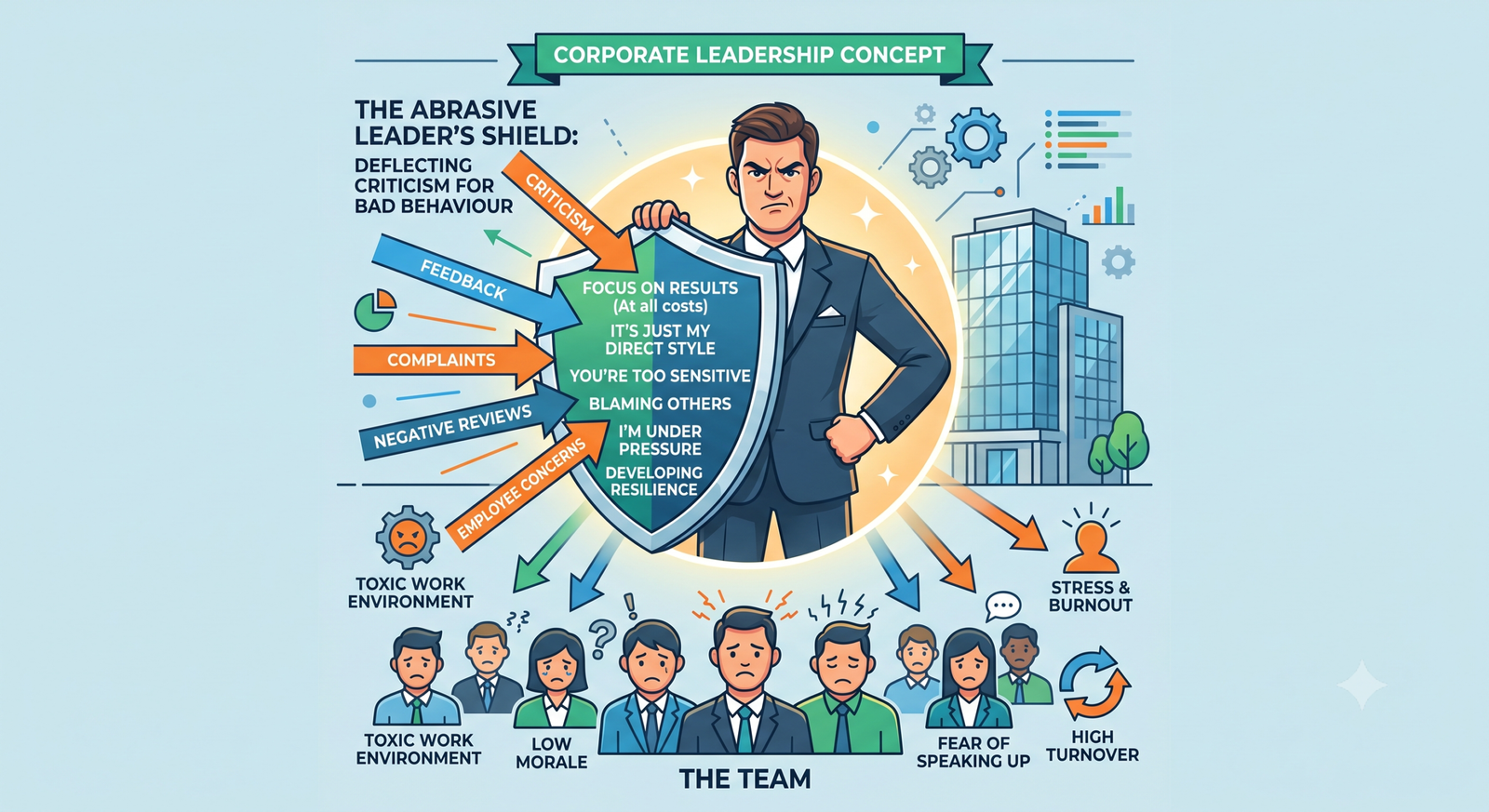
A troubling trend is using “authenticity” to excuse bad behavior. Leaders say, “I’m just blunt,” or “I’m impatient.” They excuse their lack of self-regulation.
This is a failure of leadership. A lack of emotional intelligence isn’t a personality trait. Using authenticity to erode trust isn’t being “real.” It’s being lazy.
Leadership demands evolution. You must grow beyond your default settings. Be what your team needs you to be.
The mandate is simple: Own the flaw. Change the pattern.
From Habit to Influence
Elite leadership isn’t just about what you do. It’s about what you stop doing. Influential leaders suppress their ego.
They don’t need to be the smartest in the room. They don’t need to be the “nicest.” Remove these invisible barriers.
Create space for your team. Watch them fill it with ownership and excellence.
Reflect on the past 24 hours. Which silent killer are you nourishing? Identify it. Stop it tomorrow morning.
- Beyond “How Are You?”: Smarter Ways to Support a Burnt-Out Coworker
- Beyond Hard Work: The Subtle Art of Signaling Your Next Promotion
- Beyond “Good Job”: 5 Surprising Ways Your Words Transform Work Culture
- Beyond “Deep Breaths”: 12 Science-Backed Micro-Habits to Reset Your Nervous System in 60 Seconds
- Are You Burned Out or Just Tired? The Subtle Red Flags You’re Likely Ignoring
Author Biography