

In our “always-on” culture, exhaustion is a badge of honor. We “power through.” We ignore our mental health until we crash.
But burnout isn’t a sudden cliff. It creeps in quietly. It leaves a trail of subtle red flags.
Catch them early, and you can reverse the damage. But you must look at the data of your own life before the engine fails.
The “Rule of Two” for Early Intervention
Dr. Frost’s rule has an exceptionally low threshold. If you check just two signs from the burnout list, pay attention.
Don’t panic, but act immediately. Why such a low threshold?
Because you still have the cognitive energy to make a change. Don’t wait until you are completely depleted to navigate your recovery.
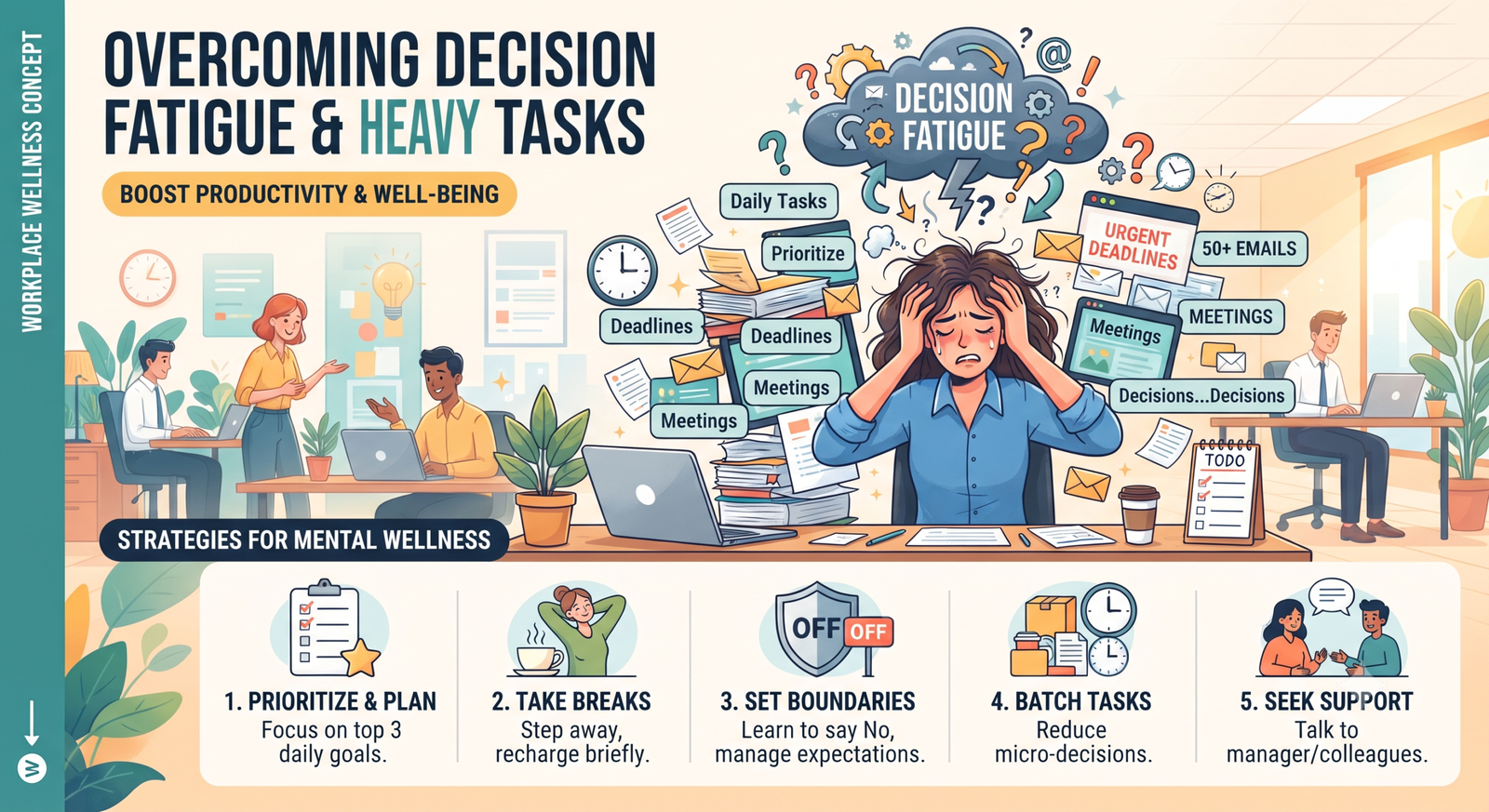
When “Everything” Starts to Feel Heavy
This is a nuanced warning sign. Daily tasks feel heavier than they should.
It isn’t physical fatigue. It is a loss of cognitive bandwidth.
Deciding what to eat feels monumental. Replying to a text feels impossible. This heaviness is a critical precursor to total paralysis.
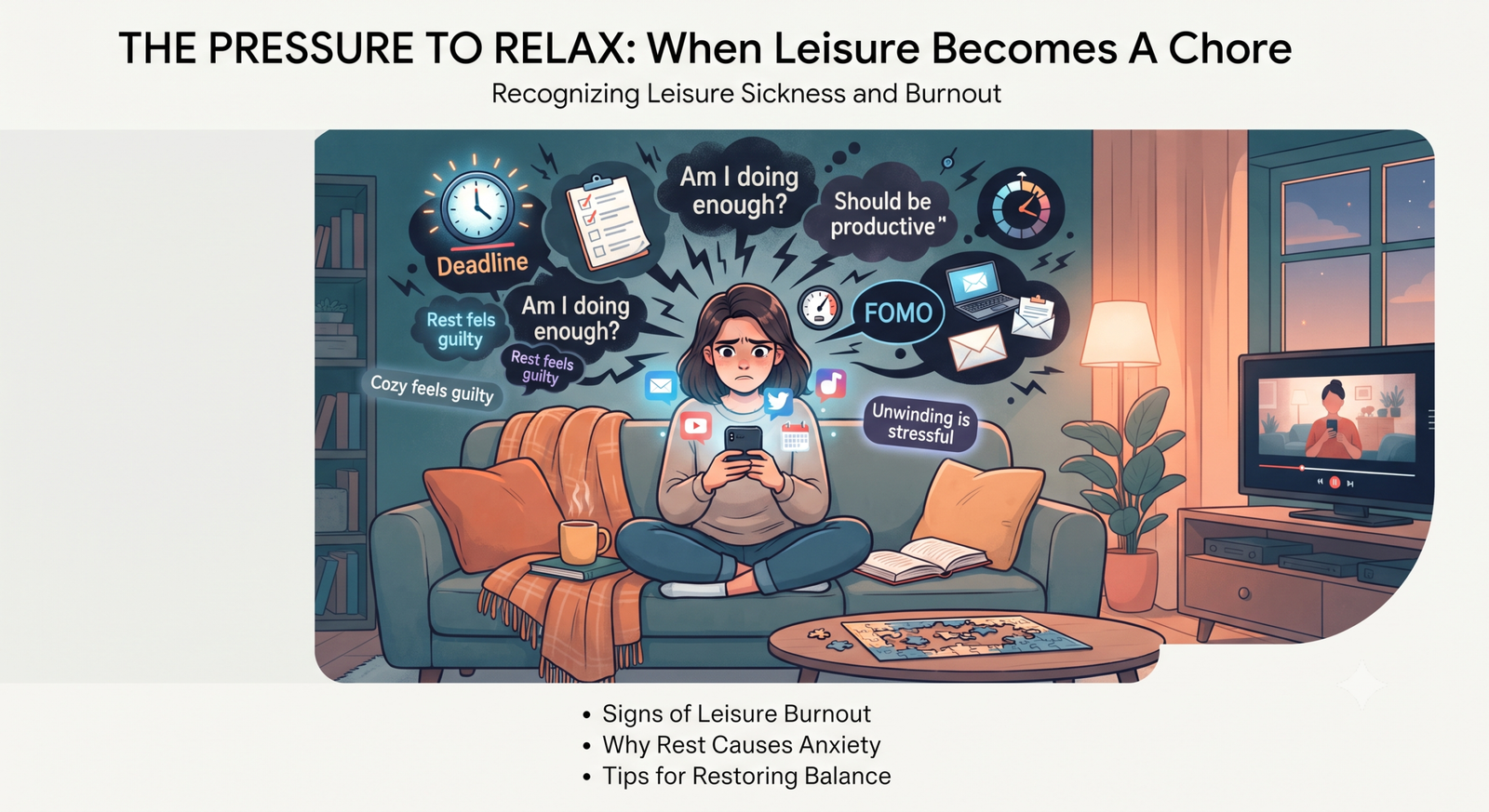
The Paradox of “Leisure Pressure”
Burnout ruins your time off. You struggle to unplug. Rest feels like work.
Unplugging isn’t just turning off your phone. It’s stopping the “work cycle” in your head.
When burnout looms, you live in constant vigilance. You feel pressure to be productive even on free days. Rest becomes a source of anxiety.

Emotional Erosion and the Loss of Presence
Burnout builds a wall between you and the world. Your patience gets shorter. Work problems follow you home.
You feel detached. This means your emotional bandwidth is broken.
You are physically at the dinner table, but mentally at the office. Your mind disconnects to protect itself from more stress.
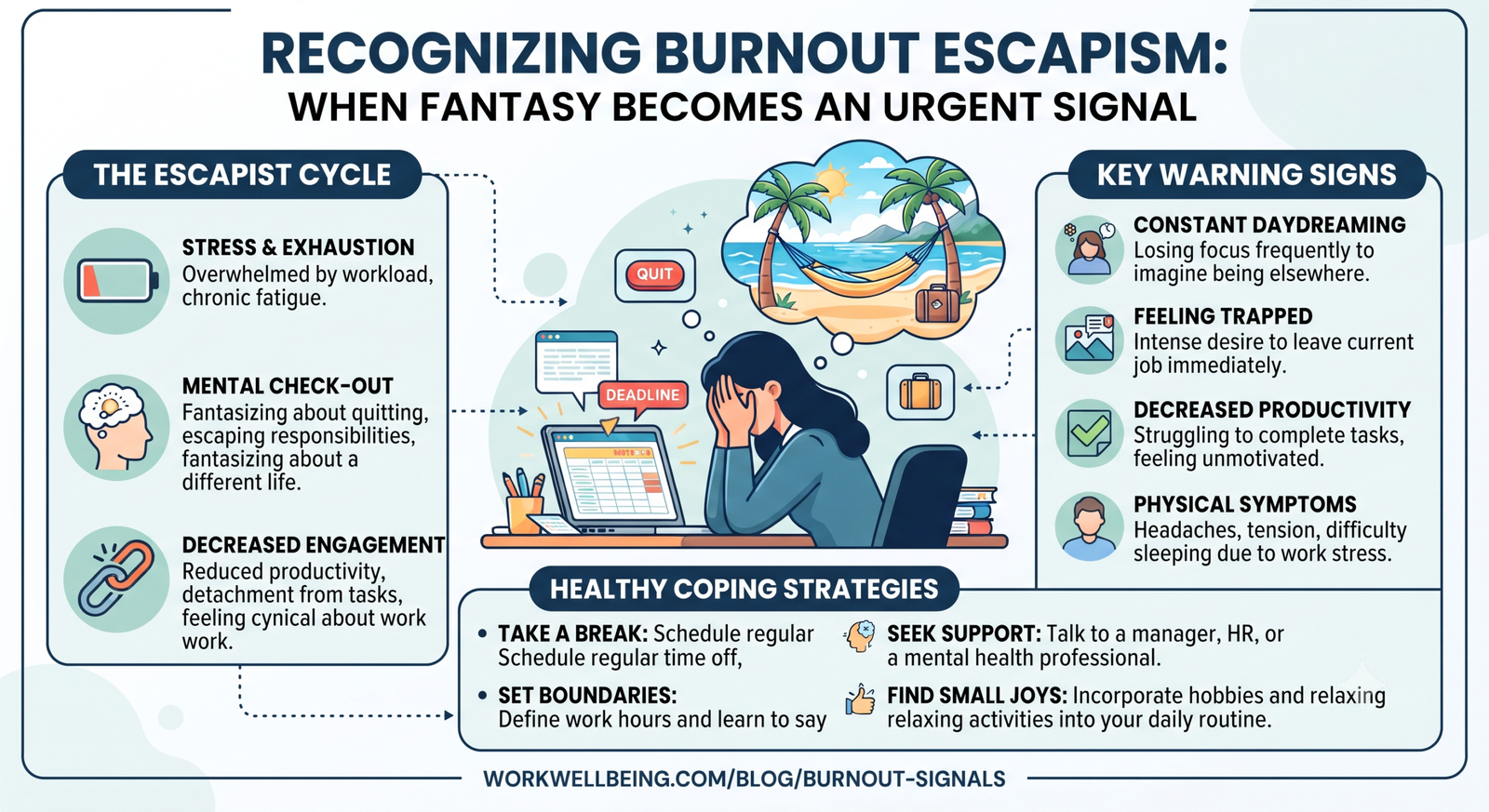
The Escapism Signal
Do you fantasize about quitting? Don’t dismiss it as the “Monday blues.”
This is a vital survival signal. Your brain wants to “divorce” its current environment.
It can no longer afford the emotional rent required to stay. This isn’t a daydream; it’s a desperate plea for relief.
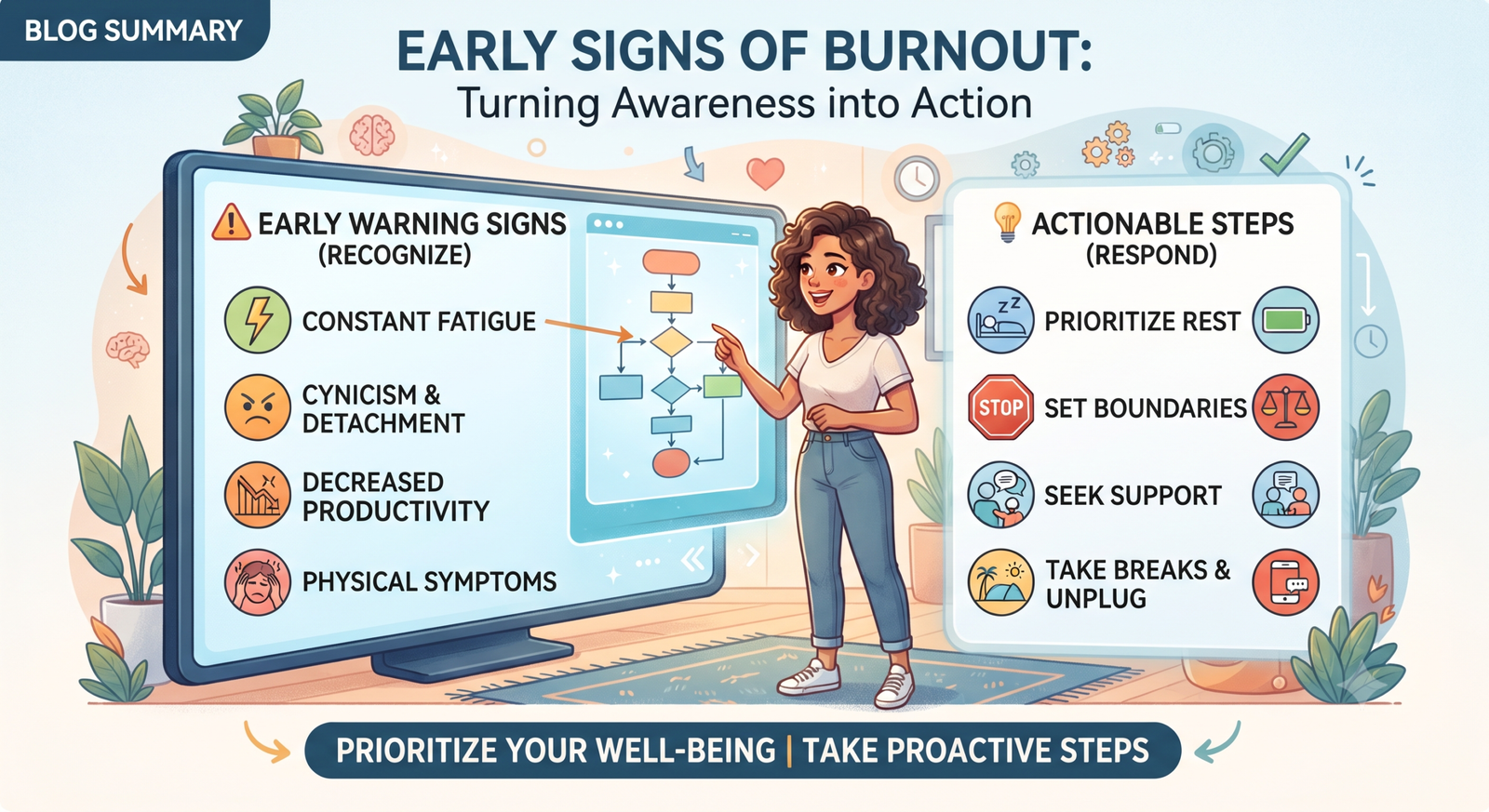
Turning Awareness into Action
Here are 10 indicators that you are heading toward burnout:
- You struggle to unplug.
- You dread opening your inbox.
- Your sleep feels less restorative.
- Work problems follow you home.
- Your motivation feels inconsistent.
- Your patience is shorter than usual.
- You feel pressure even on free days.
- You fantasize about quitting or escaping.
- Everything feels slightly heavier than it should.
- You feel detached from things you used to care about.
Take a hard look at your week. How many of these “early signs” are you trying to convince yourself are normal?
Stop enduring. Start your active recovery today.
- Beyond “How Are You?”: Smarter Ways to Support a Burnt-Out Coworker
- Beyond Hard Work: The Subtle Art of Signaling Your Next Promotion
- Beyond “Good Job”: 5 Surprising Ways Your Words Transform Work Culture
- Beyond “Deep Breaths”: 12 Science-Backed Micro-Habits to Reset Your Nervous System in 60 Seconds
- Are You Burned Out or Just Tired? The Subtle Red Flags You’re Likely Ignoring
Author Biography
Dr. Arup Giri is an Associate Professor of Zoology, researcher, author, and scientific editor specializing in Environmental Toxicology, Ecotoxicology, Animal Physiology, and Environmental Health. With 100+ research publications, books and book chapters, and extensive experience in postgraduate and doctoral mentoring, he actively contributes to scientific research and education. He also serves in editorial and reviewer roles for international journals.