
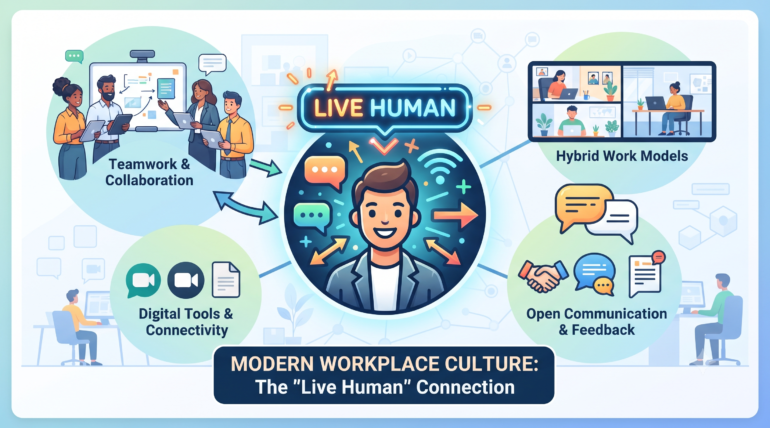
A dangerous paradox exists in modern workplaces. Teams are highly technical, but relationally bankrupt.
We face a “silent friction.” People deliver results, but they withhold trust.
Companies spend millions on team-building retreats. Yet, they ignore how their teams actually talk every day. You don’t need a retreat to build a high-performance team. You need a linguistic pivot.
These five strategies come from Dr. Carolyn Frost’s “12 Sentences for Meaningful Work Relationships.” This isn’t just about being polite. This is the psychological architecture of a resilient culture.
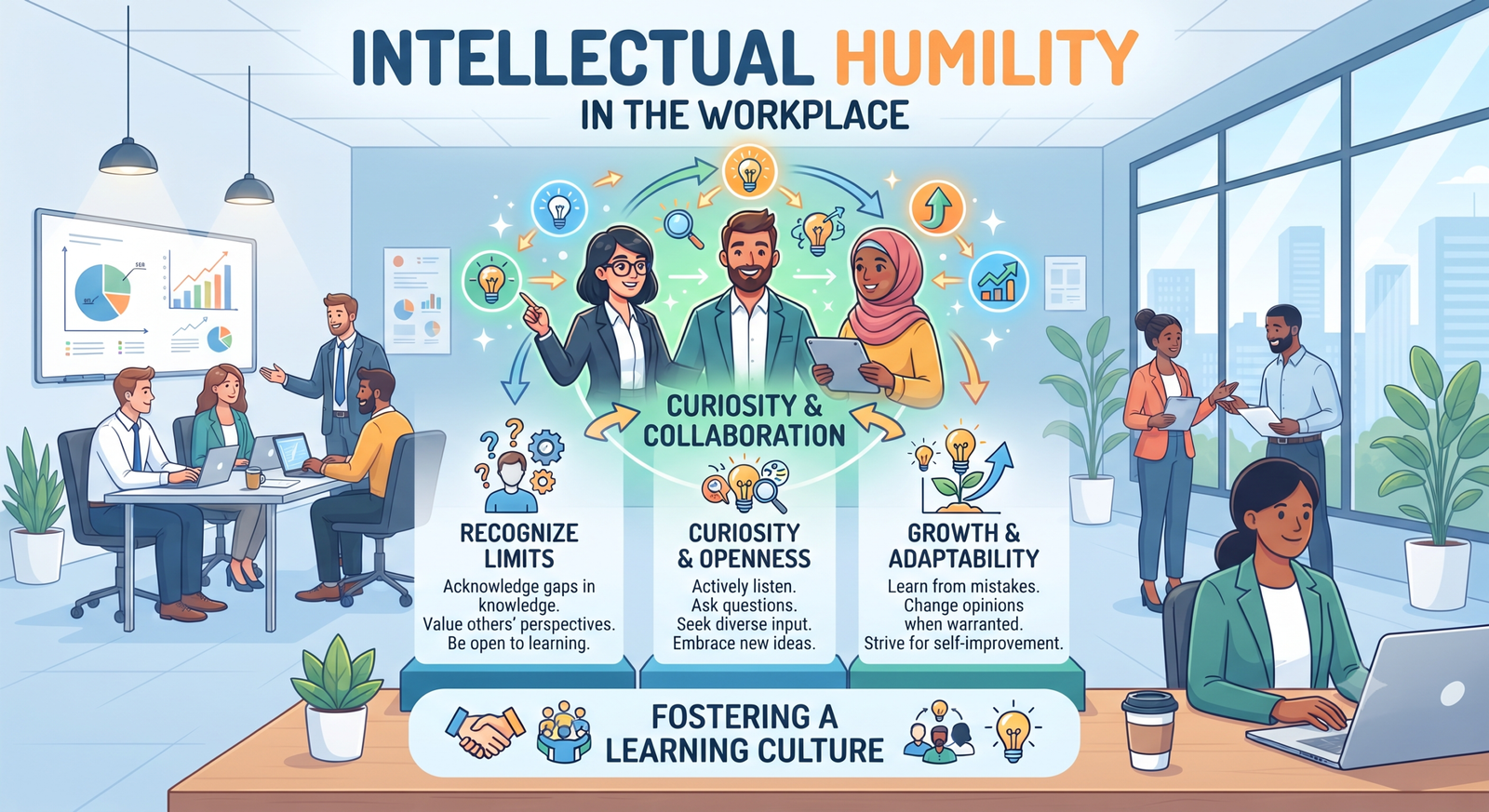
1. The Power of Intellectual Humility
Hierarchy can kill innovation. Leaders are often expected to know everything. This “theater of certainty” destroys creativity.
Move from “knowing” to “understanding.”
Try saying: “Could you help me understand your approach?”
Pair it with: “Thank you for teaching me something new.” Admitting you don’t know everything isn’t a weakness. It is a high-trust behavior.
It makes the workspace safe for questions. It shows that expertise matters more than status.
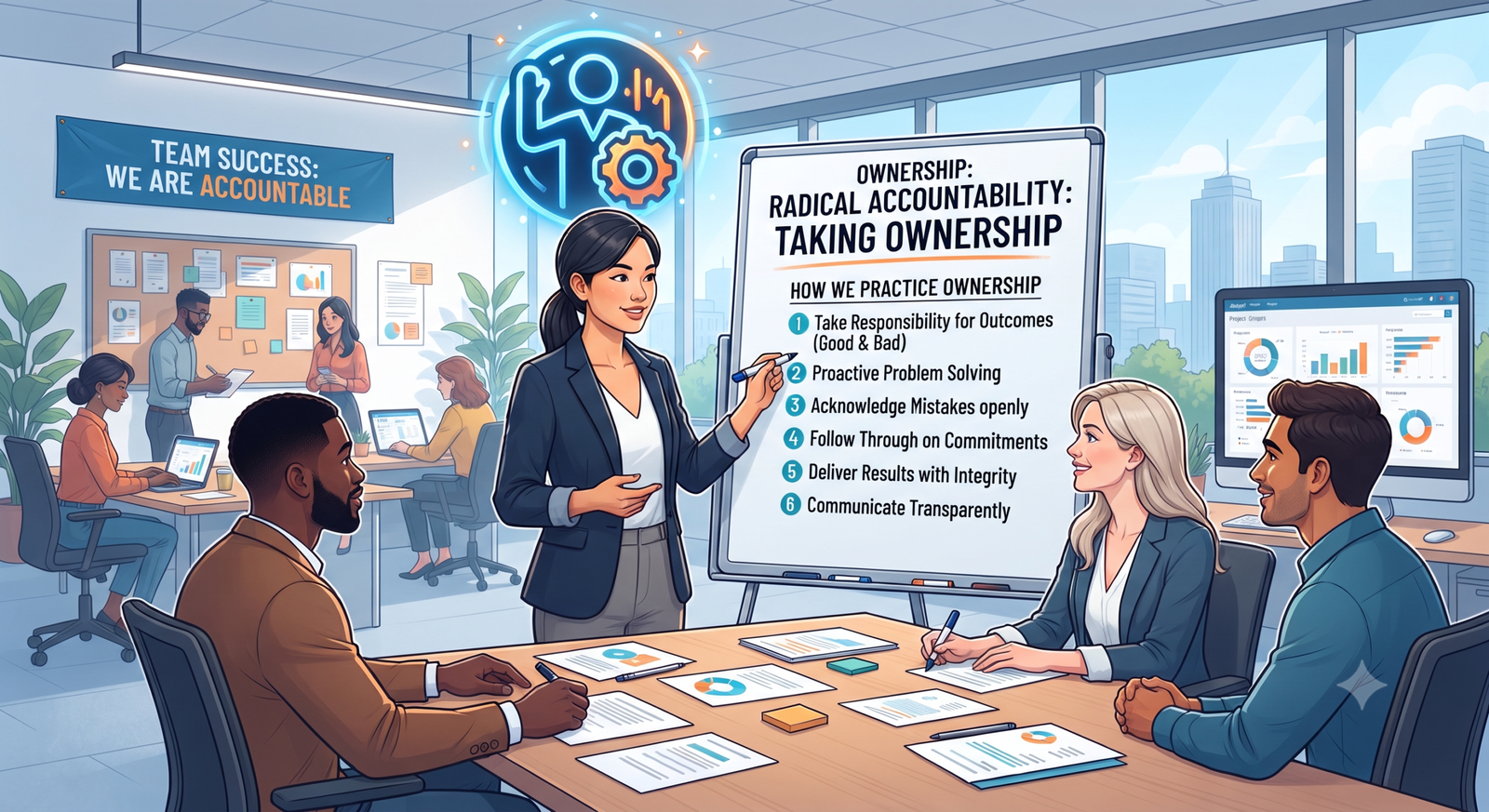
2. Radical Accountability
Accountability is an emotional tax many leaders refuse to pay. But it is the only currency that buys psychological safety.
Fear keeps leaders from admitting mistakes. But defensiveness ruins trust.
Try saying: “I made a mistake, and I want to make it right.”
Owning an error stops office politics. Pair it with: “Thank you for being direct with me.”
This turns feedback from a threat into a gift. It rewards honesty and speeds up progress.
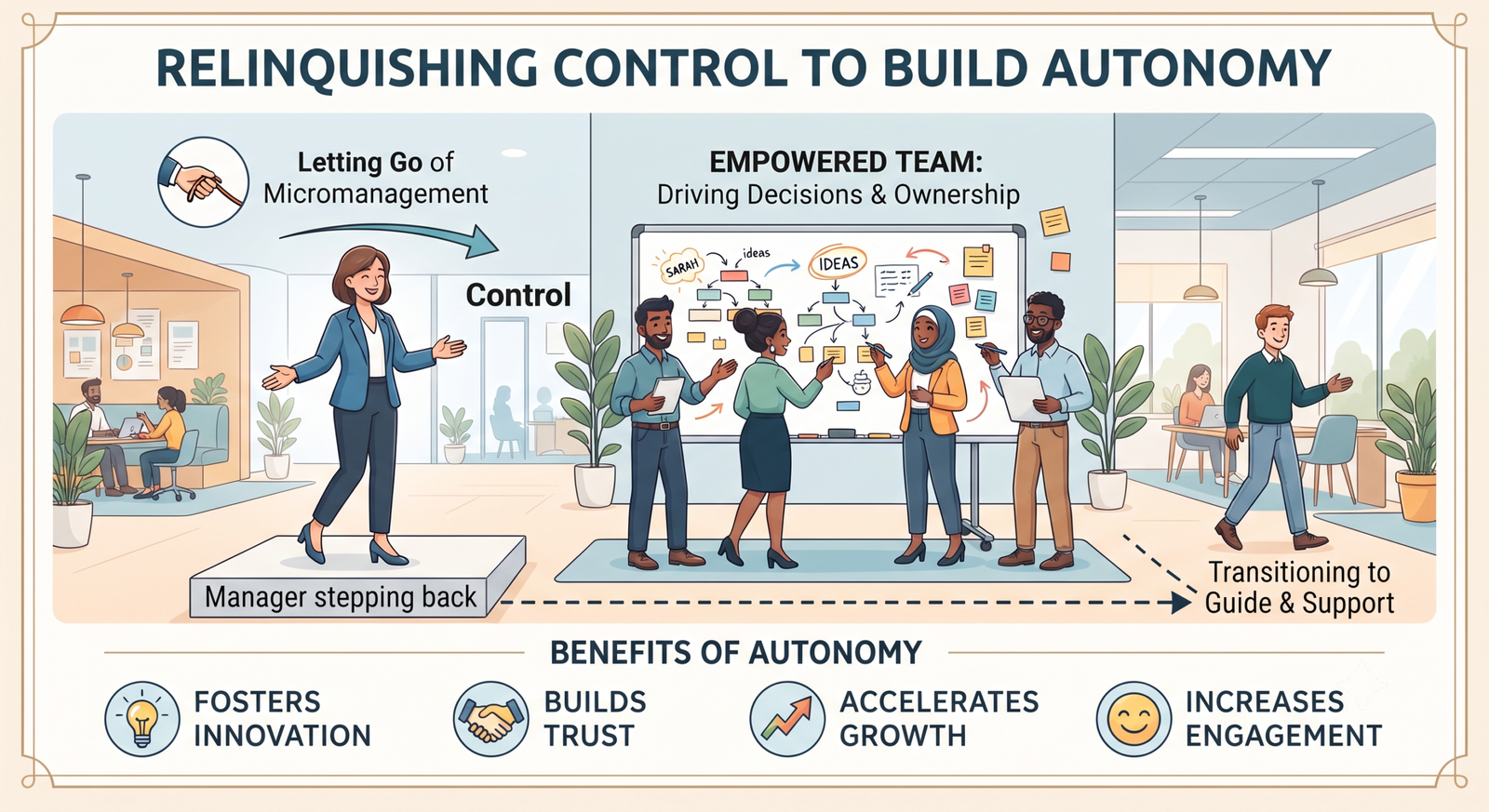
3. Relinquishing Control to Build Autonomy
The hardest transition for a leader is stepping back. Micromanagement is a confession of low trust.
Do you want your team to take ownership? Stop hovering.
Try saying: “I trust your judgment on this.”
Asking for input builds the plan. Transferring autonomy builds the person.
When your team knows they have the final word, they engage deeply. No amount of oversight can replicate that rigor.
4. Shifting to Shared Success
The “not my job” mentality destroys culture. Leaders must move away from just monitoring individual tasks.
Embrace reciprocal success.
Try asking: “How can I help you succeed?”
Say: “Let’s find a solution together.” This shifts the mindset from “me vs. you” to “us vs. the problem.”
Toxic individualists are replaced by true collaborators. Your success becomes linked to their success.

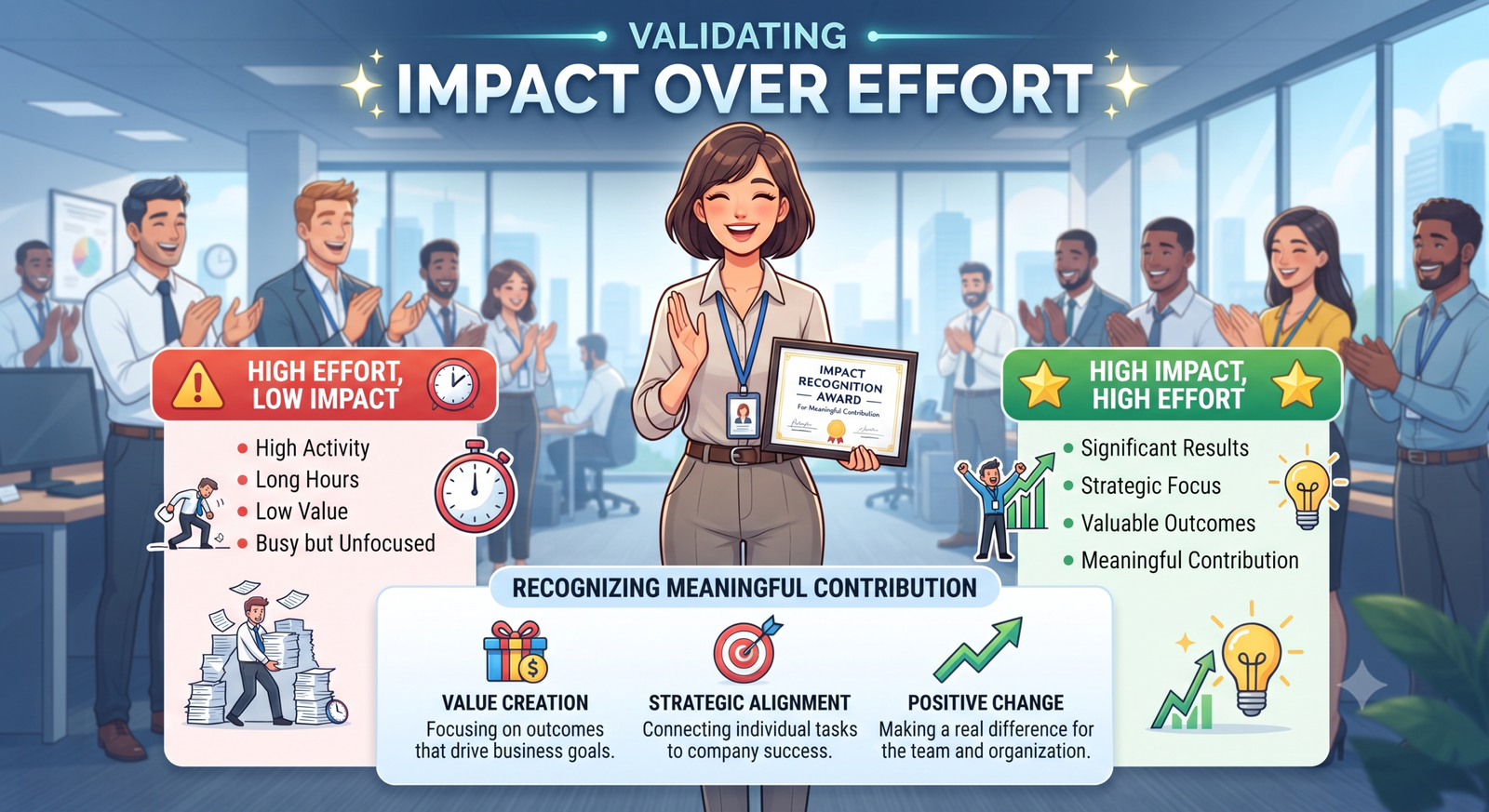
5. Validating Impact Over Effort
Generic praise like “good job” is white noise. It provides no lasting nourishment.
Pivot from praising effort to validating impact.
Try saying: “Your contribution made a real difference.”
Tell them *why* it mattered. Did it save a client? Did it prevent a budget crisis?
Understanding their true impact drives fulfillment. When people see their impact, their commitment becomes personal.
A Culture of Connection
These phrases are the infrastructure for respect and productivity. But you must calibrate your tools.
Master the final key: “What’s the best way to communicate with you?”
Tailor your approach. Move beyond technical competency into a culture of real connection.
Which of these sentences would change your office culture the most today?
- Beyond “How Are You?”: Smarter Ways to Support a Burnt-Out Coworker
- Beyond Hard Work: The Subtle Art of Signaling Your Next Promotion
- Beyond “Good Job”: 5 Surprising Ways Your Words Transform Work Culture
- Beyond “Deep Breaths”: 12 Science-Backed Micro-Habits to Reset Your Nervous System in 60 Seconds
- Are You Burned Out or Just Tired? The Subtle Red Flags You’re Likely Ignoring
Author Biography