

We are navigating an epidemic of “performative busyness.” We treat our calendars like Tetris boards.
We fill every gap with activity. Yet, we end the day feeling unfulfilled. This is the high cost of the “hustle.”
We mistake motion for progress. We think activity equals achievement. We believe that doing more makes us worth more. It’s a house of cards.
1. “Always On” is Disconnection, Not Dedication
We wear constant connectivity as a badge of honor. But it’s a cognitive trap.
Being “always on” fragmentizes your attention. Digital presence often masks a profound lack of mental presence.
You might be on Slack, but you aren’t present for deep thinking or human connection.

Actionable Tip: Treat focus as a physical resource. Keep your phone in another room during high-stakes work.
2. Your Endless To-Do List is Hiding Your Priorities
A massive to-do list isn’t organization. It’s a defense mechanism.
We populate our day with low-stakes chores for the dopamine hit of crossing them off. This is “productive procrastination.”
We hide from the high-stakes work that actually moves the needle because we fear failure.
Actionable Tip: Complete your top three priorities before 1:00 PM. Beat afternoon decision fatigue.

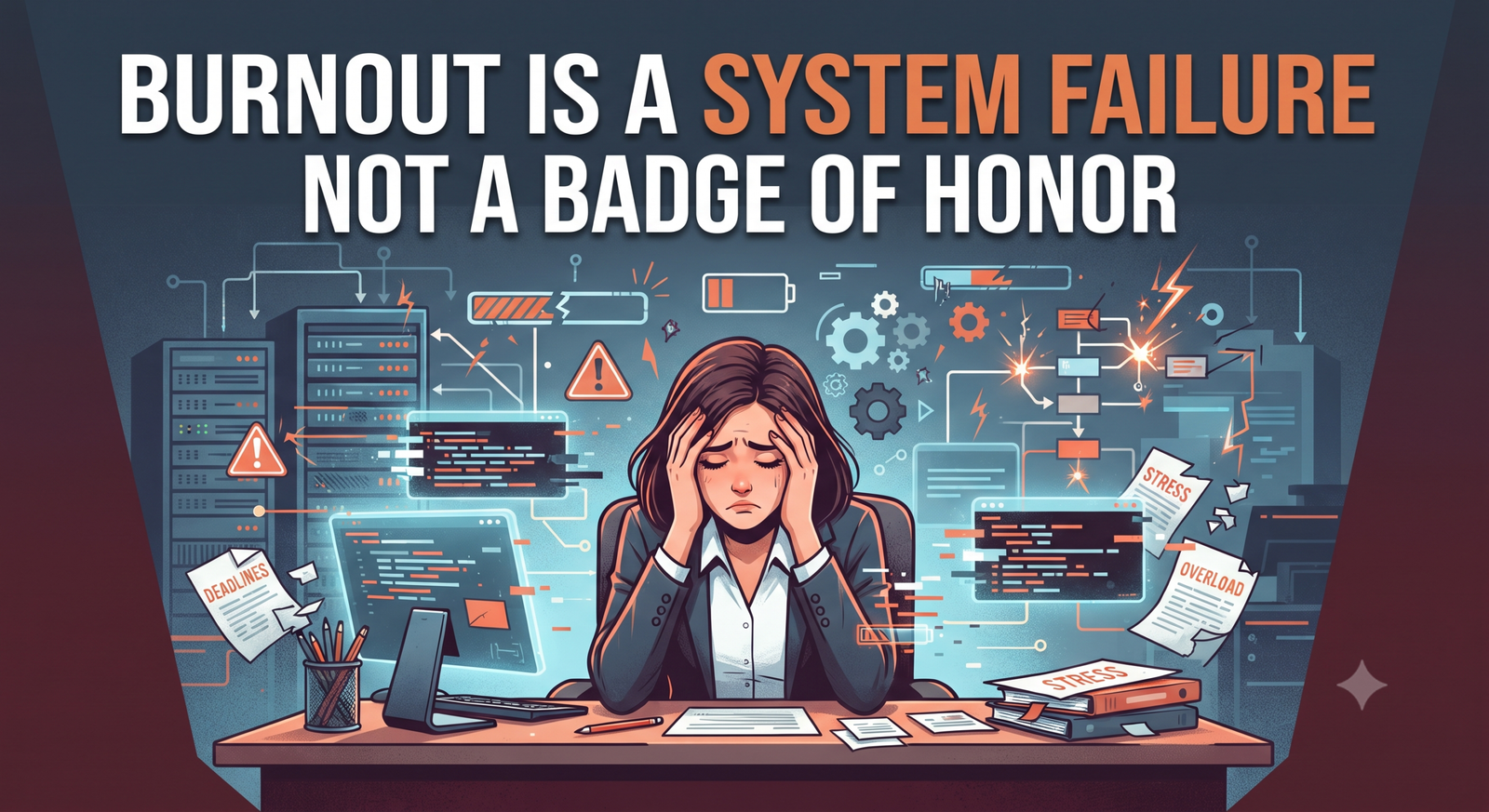
3. Burnout is a System Failure, Not a Badge of Honor
Society glorifies exhaustion. But burnout is just the Law of Diminishing Returns.
When you push past physiological limits, your output craters. It isn’t a lack of grit; it’s a lack of architecture.
You cannot maintain performance if your system is designed only for output and never for maintenance.
Actionable Tip: Color-code your calendar for “energy gains” vs. “energy drains.” Redesign if you are drowning in drains.
4. Constant Availability is Killing Your Potential
The “open door policy” is lethal to professional growth. High-level success requires “deep work.”
You cannot focus if you are always available. The ROI of being reactive is incredibly low.
Two hours of deep work produces more value than 12 hours of shallow, reactive tasks.
Actionable Tip: Block non-negotiable windows for deep focus. Protect them ferociously.

5. Perfectionism is Fear in Disguise
We frame perfectionism as a noble pursuit. It’s actually our brain’s threat-detection system.
We obsess over details to avoid being judged or criticized. Perfectionism is the ultimate procrastination.
If a project is never “finished,” it can never be rejected. You are hiding behind “high standards.”
Actionable Tip: Adopt the “80% Rule.” Submit work when it is 80% perfect. “Done” is the baseline for impact.

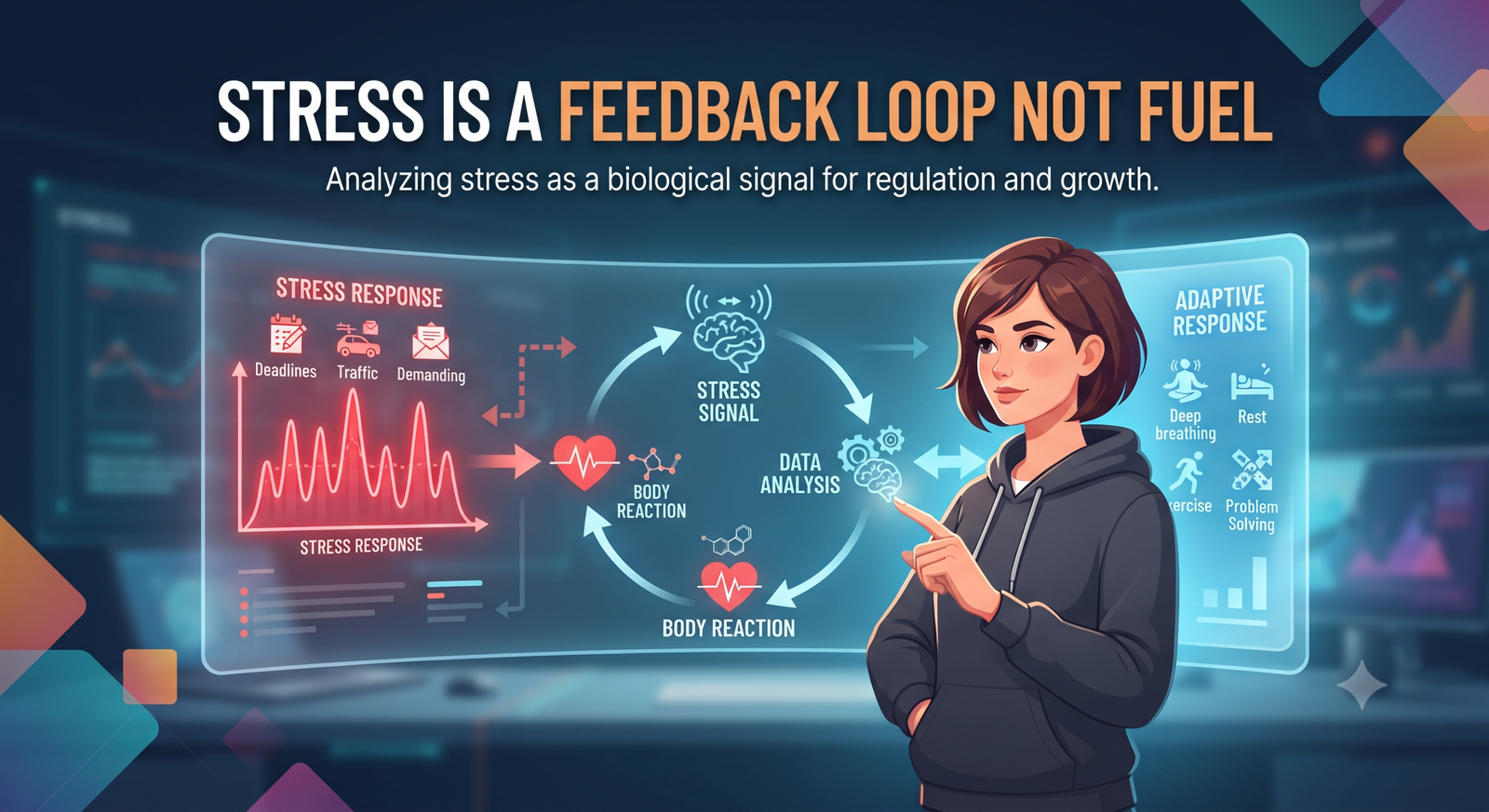
6. Stress is a Feedback Loop, Not Fuel
Many use stress as an internal combustion engine. But it is a corrosive, unsustainable fuel.
View stress as a feedback loop. It’s a biological signal that your approach is misaligned.
Don’t just push through it. Analyze the signal it is sending.
Actionable Tip: Ask yourself: “What is this anxiety telling me about my current system?”
7. Your Achievements are Missing What Matters
Have you ever reached a milestone and felt completely empty? That’s “hollow success.”
This happens when we chase external titles or salaries at the expense of our internal values.
Success is only meaningful when it aligns with your identity.
Actionable Tip: Identify one draining commitment that serves your ego. Replace it with a habit that aligns with your core values.

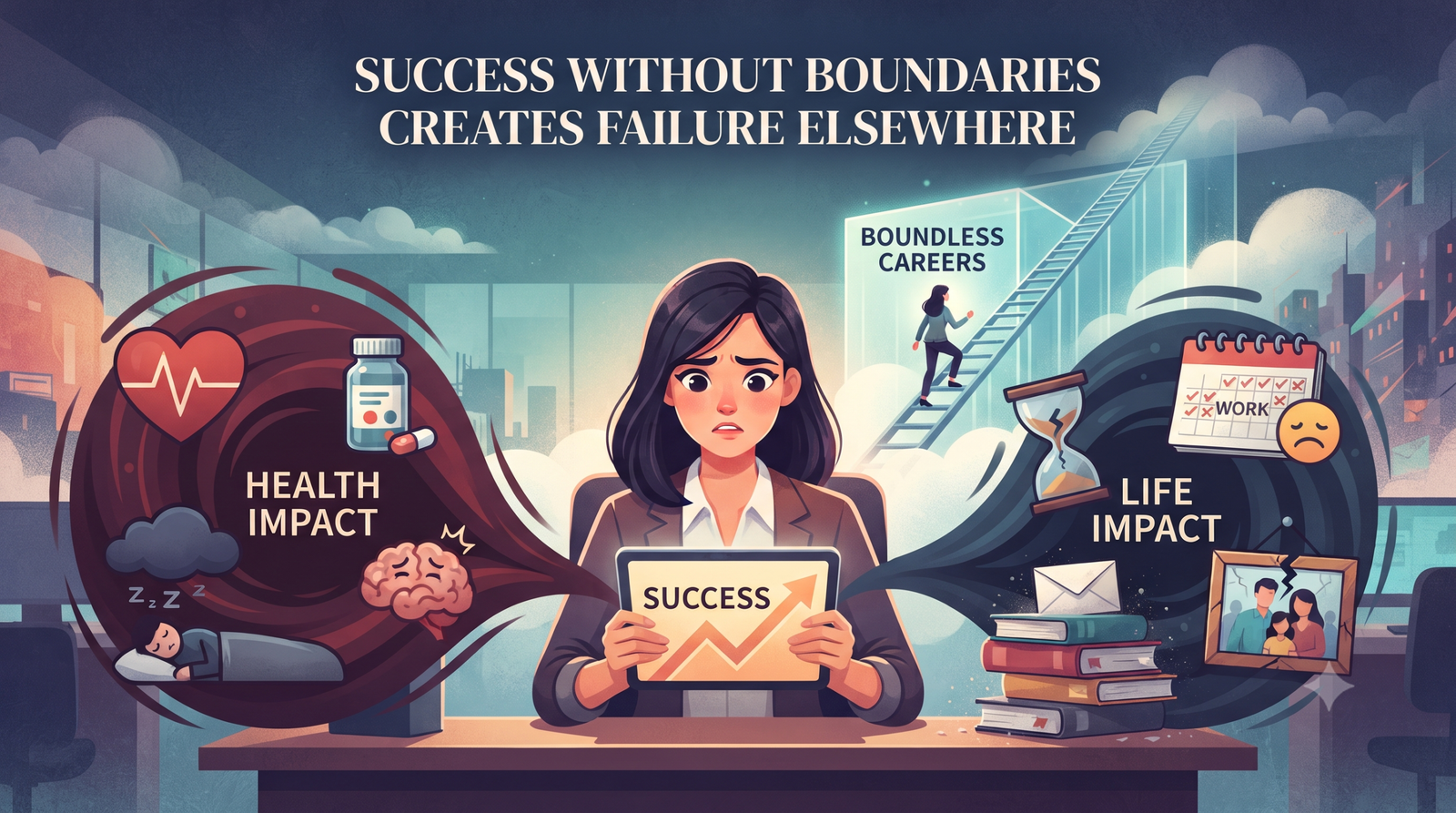
8. Success Without Boundaries Creates Failure Elsewhere
This is the “spillover effect.” A lack of boundaries at work erodes everything else.
If you sacrifice your health, family, or integrity for professional success, you haven’t succeeded. You just traded one form of poverty for another.
Boundaries aren’t obstacles. They make success sustainable.
Actionable Tip: Schedule non-negotiables (family, health, sleep) first. Let work fill the remaining space.
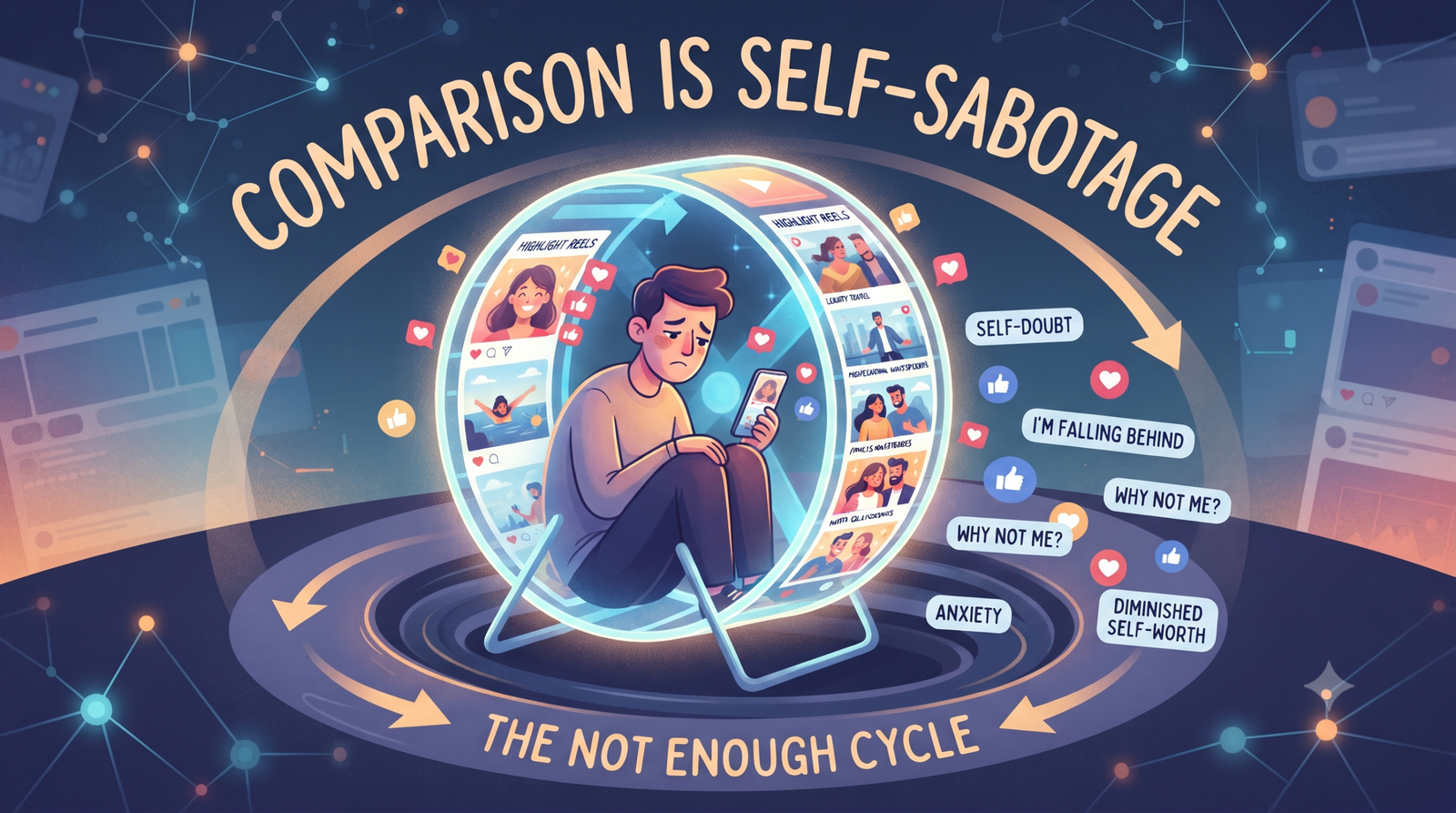
9. Comparison is Self-Sabotage
We are bombarded by the “highlight reels” of others. Comparison triggers a “not enough” cycle.
This siphons off the mental energy you need to do your own work. It’s a recipe for stagnation.
Your only valid benchmark is who you were yesterday.
Actionable Tip: Practice aggressive digital hygiene. Unfollow anyone who triggers feelings of inadequacy.
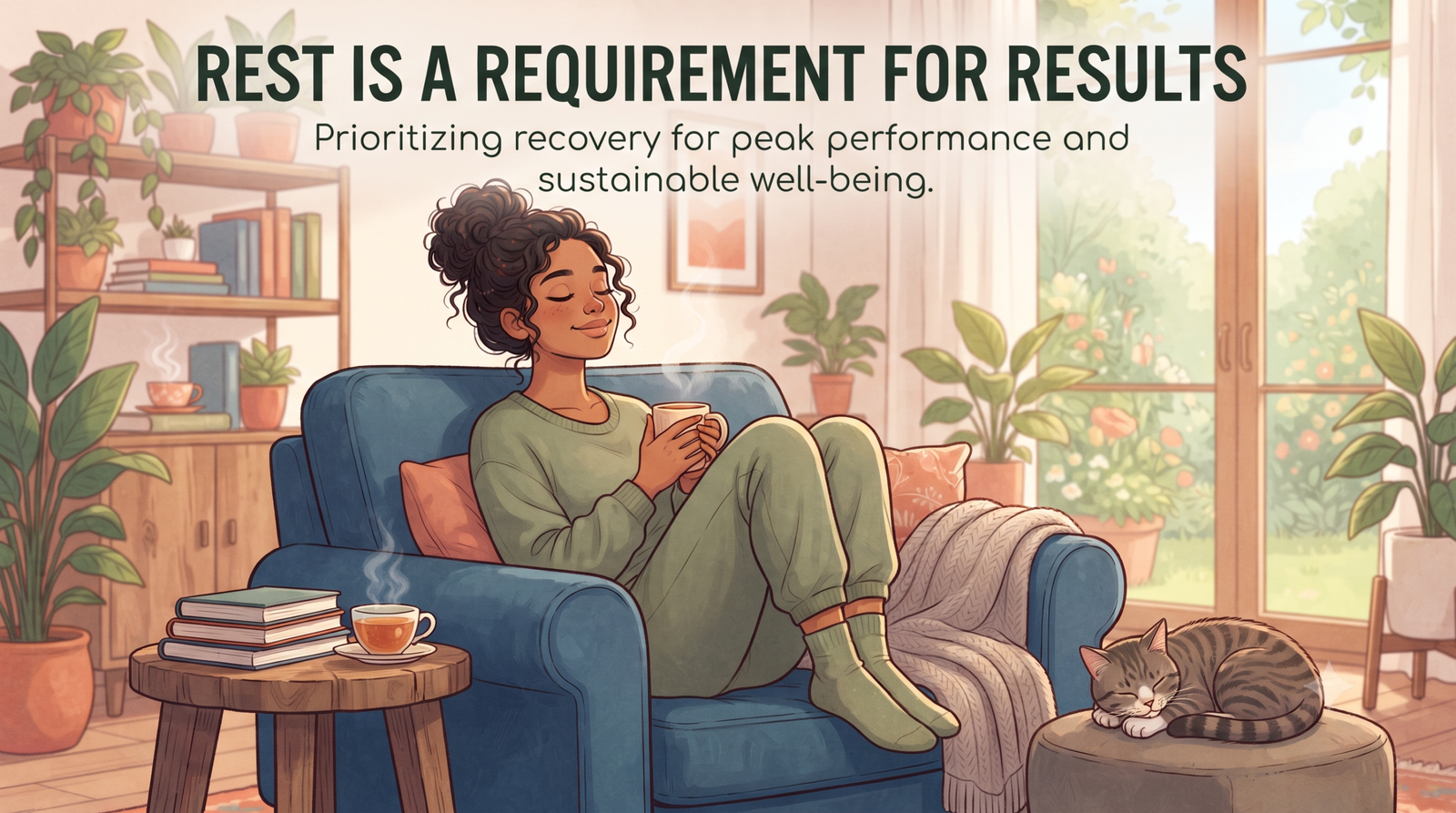
10. Rest is a Requirement for Results
The biggest lie in productivity is that rest is a reward for hard work.
Rest is the engine that makes hard work possible. High performance requires deliberate recovery.
The brain needs downtime to process information and prevent cognitive decline.
Actionable Tip: Schedule recovery intentionally. Two 15-minute breaks away from screens outperform a 12-hour grind.
A New Blueprint for Success
Transitioning from a “hustle” mindset is uncomfortable. You must abandon the safety of being “busy.”
Stop performing for output. Start producing for meaning. Look at your calendar and habits.
Are you a high-performer, or just a high-functioning refugee running from the fear of being still?
- Beyond “How Are You?”: Smarter Ways to Support a Burnt-Out Coworker
- Beyond Hard Work: The Subtle Art of Signaling Your Next Promotion
- Beyond “Good Job”: 5 Surprising Ways Your Words Transform Work Culture
- Beyond “Deep Breaths”: 12 Science-Backed Micro-Habits to Reset Your Nervous System in 60 Seconds
- Are You Burned Out or Just Tired? The Subtle Red Flags You’re Likely Ignoring
Author Biography