Research/Review Article





In 2026:(4 articles)
Strategies to reduce cholesterol content in poultry eggs: an overview
Namrata Balhara, Dimple Dimple, Ruby Ruby, Andrew Magnuson, Arup Giri*, Manishi Mukesh
ABSTRACT.Poultry eggs are an affordable and nutrient-dense source of high-quality protein and essential micronutrients; however, the relatively high cholesterol content of egg yolk has raised persistent health concerns, particularly for populations vulnerable to cardiovascular and metabolic disorders. Although numerous strategies have been explored to reduce egg cholesterol, existing studies remain fragmented and often focus on isolated nutritional interventions without integrating physiological regulation, genetic background, and molecular mechanisms governing cholesterol synthesis, transport, and yolk deposition. This review provides a mechanism-based synthesis of conventional and emerging approaches for low-cholesterol designer egg production by integrating nutritional, endocrine, genetic, and omics perspectives. Peer-reviewed studies on dietary feed supplementation with vitamins, minerals, amino acids, plant bioactives, fish oil, probiotics, microalgae, and nanotechnology-based feed formulations, along with genomics and multi-omics research, were critically evaluated. Evidence indicated that most interventions reduce egg yolkcholesterol indirectly by modulating hepatic lipoprotein synthesis, intestinal sterol absorption, and lipid transport rather than directly suppressing cholesterol biosynthesis. Probiotics, microalgae, and bioactive phytochemicals demonstrate promising hypocholesterolemic effects, while omics-driven approaches offer long-term potential for genetic improvement and trait stability. Overall, egg yolkcholesterol deposition is regulated by a complex, multifactorial network involving hormonal control, lipid metabolism, and genetic determinants, underscoring the limitations of single-factor approaches. Integrated nutritional and genetic strategies therefore represent the most sustainable pathway for producing low-cholesterol “designer eggs” without compromising hen performance or egg quality, supporting public health nutrition and aligning with Sustainable Development Goals, SDG-2, SDG-3, and SDG-12.
Keywords: Designer egg, Feed supplements, Genetic strategies, Omics, Probiotics, Sustainable Development Goals
Citation: Balhara, N., Dimple, D., Ruby, R. et al. Strategies to reduce cholesterol content in poultry eggs: an overview. Trop Anim Health Prod 58, 147 (2026).
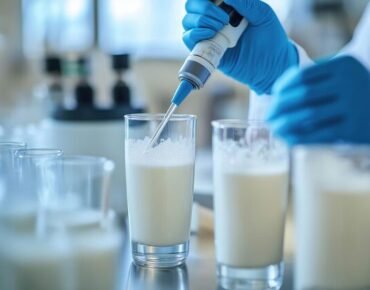
Evaluation of Antioxidant Activity in Buffalo, Cow and Goat Milk of Two Different Seasons in Haryana, India
Neeru Yadav, Namrata Namrata, Shardulaya Shukla, Arup Giri*
ABSTRACT. The objective of this study is to assess the changes in the antioxidant activity of milk in accordance with the season and farm locations in Haryana. The antioxidant potential of milk samples was evaluated through two different methods: the FRAP assay and the DPPH assay. The FRAP level was significantly higher during the summer season, except in the case of buffalo milk. The levels (μmol/mL) were recorded at 70.00±4.22, 60.86±5.29, and 73.69±7.87 in the summer season and 72.64±8.22, 60.42±1.32, and 57.45±1.21 in the winter season for buffalo, cow, and goat milk, respectively. On the other hand, DPPH scavenging activity showed a higher trend in the summer season, but not significantly. DPPH levels were recorded at 19.12±2.53, 16.55±1.04, and 20.73±1.51 in the summer season for buffalo, cow, and goat milk samples, respectively. The reason could be attributed to an increase in antioxidative activity as an adaptation to heat stress conditions and variations in seasonal feed. The productivity and quality of milk from dairy animals change according to climatic conditions. Notably, significant differences were observed among locations, which could be linked to differences in the feeding management of farms. So far, not much research has been conducted on this aspect in Haryana. This study will explore the correlation of animal antioxidative properties with variations in season and across different locations.
Keywords: Antioxidant; Bioactivity; Dairy; DPPH; FRAP
Citation: Neeru Yadav, Namrata Namrata, Shardulaya Shukla, Arup Giri*. (2026) Evaluation of antioxidant activity in buffalo, cow and goat milk of two different seasons in Haryana, India.Defence Life Science Journal, ISSN- 2456-379X. [IF-0.0] [Q4] Indexing: Scopus; Published: 08 January 2026)
Toxicological implications of emerging pollutants on aquatic organisms
Sefali Sefali, Ruby Ruby, Dimple Dimple, Arup Giri*
ABSTRACT. Emerging pollutants (EPs), including pharmaceuticals, pesticides, personal care products, microplastics, nanoparticles, and heavy metals, pose significant environmental threats and are increasingly affecting aquatic organisms. This review consolidates recent findings on how EPs enter aquatic systems through industrial discharges, agricultural runoff, wastewater, and landfill leachate, where they persist, bioaccumulate, and exert chronic toxic effects. Evidence indicated that EPs may induce oxidative stress, endocrine disruption, genotoxicity, and immunotoxicity as primary mechanisms of toxicity. In fish, exposure to microplastics, nanoparticles, and pesticides may disrupt antioxidant enzyme activities, impair reproduction, and alter behavior and metabolism. Amphibians may exhibit delayed metamorphosis, endocrine and thyroid dysfunction, and neurotoxicity following exposure to pesticides and bisphenols. At the same time, molluscs exhibit impaired filtration capacity, oxidative DNA damage, and reduced gamete viability upon contact with pharmaceuticals and microplastics. These mechanistic disruptions may collectively lead to reduced growth, reproductive failure, and biodiversity loss, ultimately destabilizing aquatic food webs and ecosystem functionality. The review highlights critical research gaps, particularly concerning mixture toxicity, environmentally relevant concentrations, and chronic low-dose exposure effects. Addressing these gaps through pollutant-specific regulation, advanced wastewater treatment, and sustainable practices is essential to mitigate EPs’ impacts. By integrating mechanistic evidence across taxa, this study underscores the urgent need for interdisciplinary approaches to safeguard aquatic biodiversity, ecosystem balance, and public health.
Keywords: Bioaccumulation; Endocrine disruption; Ecotoxicological mechanisms; Oxidative stress; Wastewater treatment
Citation:SefaliSefali, Ruby Ruby, Dimple Dimple, Arup Giri*. (2026). Toxicological implications of emerging pollutants on aquatic organisms.Discover Environment, 4 (43), 1-10. ISSN- 2731-9431 [IF-1.783]; Indexing: Scopus; Published: 31 January 2026;https://doi.org/10.1007/s44274-026-00557-y
Microbial fuel cell-assisted constructed wetlands for wastewater treatment and energy recovery: advances, performance trends, and future directions
Nidhi Ahlawat, Vishal Panghal, Pooja Choudhary, Annu Radha Nandal, Sandeep Kumar, Arup Giri, Sunil Kumar
ABSTRACT: The accelerating degradation of global water resources and the growing energy insecurity have intensified the demand for sustainable technologies that can simultaneously treat wastewater and generate energy. Constructed wetlands integrated with microbial fuel cells (CW-MFCs) have emerged as an innovative nature-based solution that synergistically combines ecological treatment processes with bioelectrochemical energy generation. This review summarizes recent advancements in CW–MFC technology, focusing on system mechanisms, structural configurations, operational parameters, and perfor¬mance outcomes. A comprehensive bibliometric analysis was conducted to identify emerging trends, key developments, and knowledge gaps in CW-MFC research. A detailed comparative assessment of representative studies highlights the influence of wetland vegetation, electrode materials, microbial communities, pollutant removal efficiencies, and metrics related to bioelectricity generation. Multivariate bubble plots and treemap visualizations are employed to systematically demonstrate how variations in plant species, electrode configurations, and microbial assemblages affect chemical oxygen demand (COD) removal (60–95%) and voltage outputs (300–800 mV). Beyond conventional organic matter and nutrient removal, the applicability of CW-MFCs for treating emerging contaminants, including antibiotics, dyes, and heavy metals, is critically evaluated. Key technical, operational, and scalability challenges restricting large-scale deployment are identi¬fied, along with potential strategies for system optimization. CW-MFCs improve water quality by removing pollutants, provide a sustainable sanitation solution, and enable clean energy generation while reducing greenhouse gas emissions. These abilities of CW-MFC align with SDG 6 (Clean Water and Sanitation), 7 (Affordable and Clean Energy), and 13 (Climate Action).
Keywords Bioelectricity production; Constructed wetland‒microbial fuel cell; Hybrid technology; Sustainable development; Wastewater remediation
Citation: Nidhi Ahlawat, Vishal Panghal, Pooja Choudhary, Annu Radha Nandal, Sandeep Kumar, Arup Giri, Sunil Kumar. 2026. Microbial fuel cell-assisted constructed wetlands for wastewater treatment and energy recovery: advances, performance trends, and future directions. Bioprocess and Biosystems Engineering. https://doi.org/10.1007/s00449-026-03391-x
In 2025:(9 articles)
Suitability of the Himalayan water quality for domestic and irrigation use: A systematic review and meta-analysis
Ruby Ruby, Dimple Dimple, Arup Giri*
ABSTRACT. The Himalayan region, a critical freshwater source for South Asia, faces increasing anthropogenic pressures, which impact water quality for domestic and agricultural uses. This study bridges a significant knowledge gap by conducting a systematic review and meta-analysis of 274 studies (2003–24) to evaluate heavy metals (HMs) contamination levels, health risk assessments, and hydrochemical parameters and to assess suitability for both domestic and irrigation use. The analysis revealed that HMs levels are higher than the WHO standards in India and Pakistan. Although the pollution indices improved over time, with the Degree of Contamination (DOC) decreasing from 138.02 (2003–13) to 49.86 (2014–24) and the Pollution Load Index (PLI) decreasing from 2.68 to 0.29, the water quality of the Himalayas is still considered unsafe for domestic use. Furthermore, water pH, Electrical Conductivity (EC), and major cations/anions were observed within acceptable limits. However, the Total Hardness (TH), Potential Salinity (PS), and Residual Sodium Carbonate (RSC) values were relatively high. In India, the Corrosivity Ratio (CR) level is higher than the allowable limits. Overall, water quality needs improvement in this region, as evidenced by TH, PS, and RSC values higher than allowable limits over the last two decades. This study establishes trends over two decades, emphasizing notable improvements but significant non-carcinogenic and carcinogenic health risks from heavy metals, especially in children, necessitating continued monitoring and stricter regulations with robust water management strategies. The study also aligns with the United Nations Sustainable Development Goals (SDGs), particularly SDG-6, SDG-3, and SDG-12.
Keywords:Health risk assessment; Heavy metals; Himalayas; Hydrochemical characterization; Irrigation suitability assessment; Sustainable development goals
Citation: Ruby Ruby, Dimple Dimple, Arup Giri*. 2025. A systematic review on Himalayan Water Quality for Domestic and Agriculture Purpose. Chemosphere, 382(2025), 144410. ISSN- 1879-1298 [IF-8.1] [Q1]Indexing: Scopus; Published: 01 August 2025;https://doi.org/10.1016/j.chemosphere.2025.144410
Biotechnological Innovations Toward Clean Water
Ruby Ruby, Dimple Dimple, Ajay Balda, Manju Yadav, Arup Giri*
ABSTRACT. This book chapter presents a comprehensive exploration of transformative approaches to address the global challenge of water treatment and sanitation. This chapter begins by elucidating the “Fundamentals of Biotechnological Applications in Water Treatment,” unraveling key concepts and the pivotal roles of microorganisms and enzymes. Comparative analyses with traditional methods set the stage for a thorough examination of biotechnological solutions. Navigating through “Bioremediation Techniques,” this chapter dissects conventional and advanced methodologies, showcasing the versatility of tools such as activated carbon, membrane bioreactors, and enzyme-based treatments. The focus broadens to “Industrial Water Treatment,” exploring applications, challenges, and successful case studies, seamlessly transitioning to “Advanced Water Sanitation System Technologies,” where solar-powered filtration, desalination, nanotechnology, and more emerge as innovative pillars. Addressing societal impacts and public perception, this chapter delves into awareness, cultural considerations, and ethical implications. “Policy and Regulatory Frameworks” scrutinizes current regulations and the necessity of international collaboration. Community engagement and education emphasize the importance of grassroots involvement and education, while economic viability reflects cost-effectiveness, benefits, and investment opportunities. Through this interdisciplinary lens, the chapter weaves a narrative that transcends technological boundaries, envisioning a future where biotechnological innovations redefine water treatment and foster sustainability, accessibility, and community engagement on a global scale.
Keywords: Bioremediation; Nanotechnology; Sanitation; Sustainability; Water treatment
Citation: Ruby Ruby, Dimple Dimple, Ajay Balda, Manju Yadav, Arup Giri*. 2026. Biotechnological Innovations Toward Clean Water. In ‘Biotechnology Innovations for a Sustainable Future’ Editors: Prof. RC Sobti. Springer, Singapore. 1289-1322. ISBN: 978-981-97-9859-9; Published: 02 January 2026;
A review on the presence of microplastics in Asian water and health consequences
Aarushi Aarushi, Ruby Ruby, Dimple Dimple, Ajay Balda, Arup Giri*
DOI: https://doi.org/10.1007/s44274-025-00314-7
ABSTRACT. Microplastics have become a concerning global environmental issue, with their presence in freshwater sources increasing potential health risks, particularly in Asian countries. Inadequate waste management systems and rapid industrialization in these countries contribute to the accumulation of microplastics in drinking water sources. Understanding the spatial distribution of microplastics as well as the health risks associated with microplastic exposure is crucial for ensuring the well-being of the population in Asia. In this review, we assess the literature on the spatial distribution and sources of microplastics and the impact of microplastics on human health due to microplastic contamination in drinking water sources in Asian countries. The integrated results show that the abundance of microplastics varies significantly across countries. Considering that only a few studies have been performed on microplastic distributions in landlocked countries, microplastic particles are present in various freshwater sources, such as rivers, lakes, tap water, groundwater and even bottled water. The microplastic concentration ranged from a maximum of 13225 particles/L to a minimum of 0.0000003 particles/L. Various multicoloured microplastics, fibers and fragments, which vary in size and are mostly less than 5 mm in various drinking water sources, have been observed. The identified polymers were polypropylene, polyethylene, and polyethylene terephthalate. The ingestion of microplastics directly or indirectly impacts various physical, chemical, and biological processes in an organism. The findings of this review contribute to the understanding of microplastic-related health risks and can inform strategies to mitigate the impact of microplastic contamination in drinking water, safeguard public health, and guide policy-making in Asian countries.
Keywords: Asian countries; Fresh water; Health effects; Microplastic; Plastic debris
Citation: Aarushi Aarushi, Ruby Ruby, Dimple Dimple, Ajay Balda, Arup Giri*. 2025. A Review on the Presence of Microplastics in Asian Water and Health Consequences. Discover Environment, 3, 109 (2025). [Q1]ISSN- 2731-9431Indexing: Scopus; Published: 11 August 2025; https://doi.org/10.1007/s44274-025-00314-7
A systematic review on the presence of microplastics in drinking water in South American countries with a special emphasis on health risk assessment
Deepika Deepika, Dimple Dimple, Ruby Ruby, Arup Giri*
DOI: https://doi.org/10.1007/s43832-025-00291-1
ABSTRACT.The presence of microplastics in drinking water has attracted widespread attention worldwide and has raised concerns regarding the potential adverse impacts of microplastics on human health. This study was compiled from published data on microplastics (MPs) in South American countries to assess the current status of microplastic contamination in drinking water, followed by health risk assessment. The results revealed significant variations in the mean concentrations, ranging from a minimum value of 0.0009 particles/L and maximum value of 391 particles/L in this region. The primary polymer types identified in the reviewed studies included polyethylene terephthalate (PET), polystyrene (PS), polypropylene (PP), polyurethane (PU), polyester (PES), polyacrylamide (PA), high-density polyethylene (HDPE), low-density polyethylene (LDPE), expanded polystyrene (EPS), polyvinyl chloride (PVC), and polyethylene (PE), with sizes ranging from 0.5 to 2500 μm. In this study, Brazil and Ecuador presented a greater risk of MPs in drinking water with respect to the hazard index (HI). The pollution load index (PLI) also falls into the higher risk category in Chile and Brazil, and potential ecological risk index (PERI) values fall at higher risk in all countries except Colombia. In Chile, the estimated daily intake (EDI) was found to be greater in children than in adults. Furthermore, these analyses were employed to evaluate the potential adverse effects on human health and to offer a comprehensive assessment of MP contamination in drinking water, which can be further utilized to improve water quality. This study offers valuable insights for policymakers and public health initiatives, contributing to efforts to mitigate microplastic pollution. Additionally, it aligns with key United Nations Sustainable Development Goals (SDGs), particularly SDG-3 (Good Health and Well-Being), SDG-6 (Clean Water and Sanitation), and SDG-12 (Responsible Consumption and Production).
Keywords:Estimated daily intake; Polyethylene terephthalate; Hazard index; Pollution load index; Potential ecological risk index; https://doi.org/10.1007/s43832-025-00291-1SDGs
Citation:Deepika Deepika, Dimple Dimple, Ruby Ruby, Arup Giri*. 2025. A systematic review on the presence of microplastics in drinking water in South American countries with a special emphasis on health risk assessment. Discover Water 5, 85 (2025). ISSN- 2730-647X [IF-2.34] Indexing: Scopus; Published: 14 October 2025;
Impact of metals and metalloids in water on elemental homeostasis of dairy cattle at cold arid high altitude region
Arup Giri, Vijay K Bharti*, Sahil Kalia, Mayarangam Khansu, Bhuvnesh Kumar
DOI: https://doi.org/10.1080/00387010.2025.2549744
ABSTRACT.The water ecosystem of high-altitude regions is being impacted by a changing global climate pattern as well as various localized anthropogenic activities which may affect flow of trace elements to animals and human beings. However, little studies ever conducted in Ladakh; high altitude area on bioaccumulation of different elements and metals in dairy cattle. This study was conducted to assess the trace elements and metals status in various water sources, followed by the determination of trace elements flow from these water sources to dairy cattle in Ladakh. Hand pump (HP) water, Indus River (IR) water and blood and milk samples of Jersey cross-bred cattle’s were determined by using Inductively Coupled Plasma Optical Emission Spectroscopy (ICP-OES). All the data analyzed by Pearson’s correlation coefficient (r) method to find the elemental flow in the food chain. Trace elements like iron (Fe), potassium (K), manganese (Mn), and selenium (Se) were higher in the hand pump water and river water than the normal level. Fe and zinc (Zn) levels in serum, milk, and sulfur (S) in milk were higher than the normal levels as prescribed by different international organization. Whereas, calcium (Ca) and Mn level in water sources indicated a significantly positive correlation with their level in serum and milk of dairy cattle. These findings revealed that most of the trace elements and metals level in hand pump water and river water were within the drinkable limit for dairy cattle except Fe, K, Mn, and Se. From this study, it might be concluded that water sources were suitable drinkable for drinking of dairy cattle. Trace elements flowed from the water sources to dairy cattle was very low.
Keywords: Correlation; Hand pump; Indus River; ICP-OES; Ladakhmi
Citation: Arup Giri, Vijay K Bharti*, Sahil Kalia, Mayarangam Khansu, Bhuvnesh Kumar. 2025. Impact of metals and metalloids in water on elemental homeostasis of dairy cattle at cold arid high altitude region. Spectroscopy Letters, 1-13. ISSN- 0038-7010 [IF-1.6] [Q3] Indexing: Scopus; Published: 25 August 2025;https://doi.org/10.1080/00387010.2025.2549744
A Systematic Review of Potential Health Risk Assessments for Nitrate Contamination in Different Water Resources in India
Ritu Ritu, Ruby Ruby, Dimple Dimple, Nancy Nancy, Arup Giri*
ABSTRACT. Nitrate contamination of water resources has emerged as a critical public health issue in India. This study systematically reviews nitrate contamination in groundwater and surface water across 16 Indian states via the PRISMA guidelines. The study integrates data from 90 studies published between 2014 and 2024, offering the first meta-analysis that comprehensively evaluates nitrate distribution and associated health risks across diverse regions in India. The results revealed significant regional variations in nitrate concentrations, with states such as Rajasthan exhibiting high mean nitrate levels (80.43 mg L−1), exceeding the BIS permissible limit of 45 mg L−1. Minimum nitrate contamination was detected in Uttarakhand (2.21 mg L−1). A comprehensive health risk assessment based on the US EPA model revealed that noncarcinogenic risk, calculated by the total hazard quotient (THQ), exceeded the acceptable limit (> 1) for all age groups. The THQ was highest in children, followed by adults and infants, indicating a high noncarcinogenic risk. This study emphasizes oral ingestion as the dominant exposure route, whereas dermal absorption poses minimal risks (DHQ < 1). These findings underscore the need for targeted interventions in high-risk states, including improved agricultural practices, enhanced wastewater management, and community-centric water quality monitoring. This review supports informed policymaking and aligns with sustainable development goals (SDG 3 and SDG 6) by addressing critical knowledge gaps and advocating for clean water and public health protection.
Keywords: Groundwater; Health risk assessment; Nitrate contamination; SDG 3; SDG 6; Surface water
Citation:Ritu Ritu, Ruby Ruby, Dimple Dimple, Nancy, Arup Giri*. 2025. A Systematic Review of Potential Health Risk Assessments for Nitrate Contamination in Different Water Resources in India. Water, Air, & Soil Pollution, 236, 1-25. ISSN- 1573-2932 [IF-3.0] [Q2] Indexing: Scopus; Published: 26 July 2025 https://doi.org/10.1007/s11270-025-08381-5
Ecological and human health risk assessment of pharmaceutical compounds in the Indian river ecosystem
Jyoti Jyoti, Dimple Dimple, Ruby Ruby, Arup Giri*
DOI: https://doi.org/10.1080/00387010.2025.2508793
ABSTRACT. Pharmaceutical compounds release into aquatic ecosystem has become a critical problem because they can harm aquatic organisms and humans. Humans may have serious effects due to presence of phamaceuticals in drinking water. This study aims to analyze pharmaceutical compound ecological and human health risk assessments in thirteen Indian River ecosystems. In this study, various pharmaceuticals, such as ciprofloxacin, norfloxacin, aspirin, carbamazepine, caffeine, and ibuprofen, were detected in different river ecosystems across India. This study aims to analyze the concentrations of pharmaceutical compounds, including the risk quotient (RQ), while performing an ecological risk assessment. For human health risk assessment, metrics such as acceptable daily intake (ADI) and the risk quotient were employed to assess human health (RQH). The health risk models revealed that the Sirsa River posed significant ecological threats because RQ > 1, whereas the other rivers presented moderate risks. Children were found to be more vulnerable to pharmaceutical intake, and all the rivers presented RQH values exceeding 1 for adults, underscoring serious health concerns. This study will help categorize pharmaceutical compounds and analyze the ecological and human health risks to water systems. This study provides key insights for policymakers and public health efforts to address pharmaceutical pollution in Indian rivers. It also aligns with the UN Sustainable Development Goals, particularly SDGs 6 and 12.
Keywords: Acceptable daily intake; Drinking water equivalent level; Hazard quotient; Pharmaceutical residue; Risk quotient
Citation: Jyoti Jyoti, Dimple Dimple, Ruby Ruby, Arup Giri*. 2025. Ecological and human health risk assessment of pharmaceutical compounds in the Indian River ecosystem. Spectroscopy Letters, 1–26. ISSN- 0038-7010 [IF-1.6] [Q3] Indexing: Scopus; Published: 24 May 2025;https://doi.org/10.1080/00387010.2025.2508793
Sustainable poultry feed formulations from fruit and vegetable residues for advancing animal health
Ankita Siwach, Sonu Saini, Arup Giri, Poonam Khatri, Ramesh Chander Kuhad, Anil Kumar*
DOI: https://doi.org/10.1016/j.biteb.2025.102159
ABSTRACT. The sustainable use of fruit and vegetable residues (FVRs) in poultry feed formulations has gained considerable attention due to their potential in advancing animal health. FVRs are abundant, cost-effective, and eco-friendly resources, which eventually could replace conventional feed additives. The inclusion of FVRs in poultry diets has an overall positive impact on birds’ performance and health outcomes including enhanced feed digestibility, nutrient consumption, immune function, and disease resistance. FVRs offer significant benefits that contribute to overall productivity and well-being of animals. However, certain challenge such as anti-nutritional factors, palatability issues, and processing techniques are also associated while incorporating these residues into poultry diets. Here, FVRs solubilization methods employing biological system seems to be novel approach to improve the digestibility of FVRs. The current study highlights diverse compositional profile of FVRs along with their mechanism action to improve the birds’ health to achieve sustainable poultry feed production systems.
Keywords: Fruit wastes; Vegetable wastes; Poultry feed; Poultry health Nutrition
Citation: AnkitaSiwach, Sonu Saini, Arup Giri, Poonam Khatri, Ramesh ChanderKuhad, Anil Kumar*. 2025. Sustainable poultry feed formulations from fruit and vegetable residues for advancing animal health. Bioresource Technology Reports, 30 (2025), 102159. ISSN- 2589-014X [IF-4.3] [Q1] Indexing: Scopus; Published: 02 June 2025;https://doi.org/10.1016/j.biteb.2025.102159
Effects of Exercise, Games, and Dance on Trace Element Concentrations in Human Saliva
Manisha Yadav, Jyoti Yadav, Arup Giri*
ABSTRACT. Physical activities and sports are an essential part of our life. The interest of the younger generation in physical health is rapidly increasing. Therefore, there is also a need to identify and correct sport-linked misbalances and mineral imbalances. Saliva is an easy-to-collect, harmless biological fluid that might help us. Exercise is known to affect the trace elements level in biological substances. We aimed to highlight the significance of saliva as a mineral status biomarker. Sixty-eight healthy subjects participated in the study. Twenty nine participants performed exercises, 26 played cricket games, and 13 participated in dance activities. Saliva samples were taken just before and after all three activities. Sixteen elements were analysed through inductively coupled plasma‒mass spectrometry (ICP‒MS). Among the 16 elements, four, namely, sodium (Na), boron (B), potassium (K), and iron (Fe), significantly varied. A substantial increase in trace element concentrations in saliva (p < 0.05) was observed after games (Fe), dances (Na, K, and Fe), and exercise activities (p < 0.05) (B, Na, and K). A significant decrease (p < 0.05) in the trace element concentration in saliva was observed after cricket (B) activity, and a significant reduction (p < 0.05) in the Fe concetration was observed after exercise activity. Our study highlights the use of saliva as a potential biomarker for mineral status evaluation. Saliva might be a beneficial tool for correcting mineral-associated imbalances in sports. If we successfully identify mineral deficiency through saliva, then there are also chances to diagnose mineral-based deficiency diseases at an early stage. To achieve this goal, further detailed research is needed. More research with a large population size is needed, considering the effects of changes in the intensity and regularity of physical activities on saliva composition and the associations of trace elements with health conditions.
Keywords: Biomarker; Health; Inductively coupled plasma‒mass spectrometry; Mineral status; Physical activities; Saliva composition
Citation:Manisha Yadav, Jyoti Yadav, Arup Giri*. Effect of exercise, games, and dance on trace element concentration in human saliva. Defence Life Science Journal, 10(3), 177-184. ISSN- 2456-379X. [IF-0.0] [Q4] Indexing: Scopus; Published: 09 July 2025.
In 2024: (5 articles)
Literature review and health risks assessment of heavy metal contamination in human milk
Sushila Sushila, Ajay Balda, Namrata Balhara, Aarushi Aarushi, Arup Giri*
DOI: https://doi.org/10.1007/s44346-024-00002-z
ABSTRACT. The consumption of human milk is crucial for the optimal growth and development of infants. However, concerns have been raised regarding the presence of heavy metals in breast milk and the potential health risks associated with their ingestion by children. This systematic review aims to assess the health risks posed to children due to the consumption of heavy metal-contaminated human milk. The review focuses on key parameters of health risk assessment, including estimated daily intake, hazard quotient (HQ) and cancer risk (CR). Through a comprehensive search and selection process, relevant studies examining heavy metal concentrations in human milk, as well as their potential health effects in children, were identified and analysed. The estimated daily intake of heavy metals was calculated by considering factors such as milk concentration, consumption volume and child’s body weight. HQ values were determined by comparing the estimated daily intake with established reference doses (RFD), indicating potential risks exceeding safe levels. The CR assessments were conducted by multiplying the lifetime average daily intake with cancer slope factors (CSF) specific to each heavy metal. The findings of this systematic review provide insights into the potential health risks associated with heavy metal exposure through human milk consumption in children. The assessment of estimated daily intake, HQ and CR aids in identifying populations at higher risk, guiding interventions and informing regulatory measures to safeguard child health. Continued monitoring and evaluation of these health risks are essential to ensure the well-being and safety of infants. Further research is warranted to enhance our understanding of the toxicological effects of heavy metals and to develop effective strategies for mitigating the potential health risks associated with their presence in human milk.
Keywords: Breast milk; Carcinogenic risk; Estimated daily intake; Child health; Meta-analysis
Citation: Sushila Sushila, Ajay Balda, Namrata Balhara, Aarushi Aarushi, Arup Giri*. 2024. Risk Assessment of Heavy Metal Contamination in Human Milk: A Worldwide Systematic Evaluation. Discover Minerals, 1, 1-19. ISSN-3004-9369 [Q1] Indexing: Scopus; Published: 02 October 2024;https://doi.org/10.1007/s44346-024-00002-z
An overview on occurrence of polycyclic aromatic hydrocarbons in food chain with special emphasis on human health ailments
Sombiri Sombiri, Namrata Balhara, Deepak Attri, Isha Kharb, Arup Giri*
DOI :https://doi.org/10.1007/s44274-024-00121-6
ABSTRACT.Polycyclic aromatic hydrocarbons (PAHs), pervasive organic compounds stemming from combustion processes and industrial activities, have raised significant concerns due to their ubiquitous presence in the environment and potential impact on human health. This review provides a comprehensive overview of the physiological effects of PAHs on diverse human body systems. Extensively studied for their respiratory toxicity, inhalation exposure to PAHs is associated with asthma, bronchitis, and impaired lung function. Moreover, certain PAHs are identified as carcinogens, heightening the risk of lung cancer. The cardiovascular system is also vulnerable to PAH exposure, as evidence suggests their contribution to oxidative stress, inflammation, and endothelial dysfunction, pivotal in cardiovascular disease development. PAHs exhibit endocrine-disrupting properties, influencing hormone levels and disrupting reproductive health, correlating with fertility issues, adverse birth outcomes, and developmental abnormalities. Understanding PAH-induced toxicity mechanisms is crucial for developing mitigation strategies. PAHs can directly interact with cellular components, modulate gene expression, induce oxidative stress, and cause DNA damage, leading to cellular dysfunction and apoptosis. This review underscores the ongoing need for research to fully elucidate the physiological effects of PAH exposure on human health. By synthesizing current knowledge, it aims to raise awareness of potential health risks associated with PAHs and stress the importance of preventive measures to reduce exposure. Ultimately, a comprehensive understanding of PAH-induced physiological impacts will inform the development of effective interventions and policies to safeguard human health in environments where PAH contamination is prevalent.
Keywords: DNA damage; Endocrinology; Fertility; PAH toxicity; Respiratory toxicity
Citation: Sombiri Sombiri, Namrata Balhara, Deepak Attri, Isha Kharb, Arup Giri*. 2024. An overview on occurrence of polycyclic aromatic hydrocarbons in food chain with special emphasis on human health. Discover Environment, 2;87. ISSN-2731-9431 [IF-1.787] [Q1] Indexing: Scopus; Published: 23 July 2024;https://doi.org/10.1007/s44274-024-00121-6
Watering Sundarban's fields: a systematic review of groundwater and surface water suitability for irrigation
Monika Monika, Dimple Dimple, Sunil Kumar, Arup Giri*
DOI :https://doi.org/10.1007/s13201-024-02122-5
ABSTRACT. The Sundarban region located from the Hooghly River in India’s state of West Bengal to the Baleswar River in Bangladesh renowned for its distinctive ecosystem and agricultural techniques, heavily depends on groundwater for irrigation purposes. However, concerns arise regarding the suitability of groundwater for sustainable agriculture in this vulnerable coastal zone. This systematic reviewaims to comprehensively evaluate the quality and appropriateness of groundwater and surface water for irrigation in the Sundarban region. By extensively searching scientific databases and relevant literature, we identified eighteen studies meeting our inclusion criteria. These studies encompassed hydrological, hydrochemical, and agronomic parameters, facilitating a thorough assessment of groundwater quality and its potential impacts on crop productivity. The review evaluates key parameters such as total hardness, residual sodium carbonate, potential salinity, permeability index, Kelly’s ratio, sodium absorption ratio, corrosivity ratio, and chloroalkaline indices. The results revealed that irrigation water displays an alkaline nature, and both surface water and groundwater were unsuitable for irrigation due to exceedingly high-quality parameters beyond the standard limits. Nevertheless, groundwater exhibited favorable physiochemical properties. The review identifies critical research gaps and proposes future directions to enhance the understanding of groundwater suitability for irrigation in the Sundarban region. The findings emphasize the necessity of a multidisciplinary approach to ensure sustainable agricultural practices and safeguard the delicate ecosystem of the Sundarban region.
Keywords: Agronomic parameter; Corrosivity ratio; Hydrochemical parameter; Kelly’s ratio; Water quality
Citation:Monika Monika, Dimple, Sunil Kumar, Arup Giri*. 2024. Watering Sundarban’s Fields: A Comprehensive Review of Groundwater and Surface Water Suitability for Irrigation. Applied Water Science, 14:66, 1-12.ISSN-2190-5487. [IF-5.7] [Q2] Indexing: Scopus; Published: 07 March 2024;https://doi.org/10.1007/s13201-024-02122-5
Heavy Metals Status and Distribution in Various Soils and River Sediment from Cold Desert High Altitude Microclimate
Guru Charan, Vijay K. Bharti*, Arup Giri, Sudhir Kumar
DOI :https://doi.org/10.5958/0974-0228.2024.00010.0
ABSTRACT. The present study was conducted to investigate the heavy metal status and their distribution in soils and sediments in the cold desert high altitude region. For the study, grazing land, road side soil, agriculture soil, and Indus river sediment were selected; soil samples were analyzed for nickel (Ni), chromium (Cr), cobalt (Co), copper (Cu), arsenic (As), cadmium (Cd) and lead (Pb). The results revealed that in agriculture soil, the total mean concentrations of Ni, Cr, Co, Cu and As were 75.5±6.7, 19.9±0.4, 99.2±7.1, 38.8±1.2, and 8.82±1.4 ppm, respectively. Meanwhile, in grazing land, the levels of Cr, Ni, Cu, and Co were 106.0±8.5, 78.1±6.9, 28.6±2.6, 23.4±2.1 ppm, respectively. Total Ni content was found above the threshold limit in agricultural soil, whereas other metals were below the threshold limit as reported by earlier studies. Furthermore, the Ni again poses a problem in grazing land, roadside soil, and river sediments and is found within the threshold limit. The present study reported that the heavy metals are widely distributed in various soil ecosystems and sediment at cold arid high altitude and it indicates that the geological system, rocks and the parent material of this microclimate have ample amounts of heavy metals.
Keywords:Riversediment; Soil ecosystems; Cold desert; High altitude; Microclimate
Citation: Guru Charan, Vijay K. Bharti*, Arup Giri, Sudhir Kumar2024. Heavy metals status and distribution in various soils and river sediment from cold desert high altitude microclimate.Journal of the Indian Society of Soil Science, 72(2), 428-435. ISSN: 0019-638X. [IF-0.63] [Q3] Indexing: Scopus; Published: 03 March 2024;https://doi.org/10.5958/0974-0228.2024.00010.0
Effect of Dance, Games, and Exercise on the Metabolic Profile of Human Saliva
Manisha Yadav, Arup Giri*
DOI: https://doi.org/10.14429/dlsj.9.19267
ABSTRACT. Volatile organic compounds have an essential role in globally impactful disease activity and an individual’s health condition. Saliva also has volatile organic compounds (VOCs) in its composition, and VOCs are being discovered as possible biomarkers for oral diseases. The present study is conducted to evaluate the effect of dance, games, and exercise on the metabolic profile of human saliva. A total of 68 healthy participants were included in the study. Unstimulated saliva (taken as control, n = 29 for exercise, n = 26 for cricket activity, and n = 13 for dance activity) and stimulated saliva (n = 29 for exercise, n = 26 for cricket activity, and n = 13 for dance activity) were taken before and after all three activities. Those who had any metabolic disorder, such as any cardiovascular disease, eating disorder, or any oral disease, such as mouth dryness, any kind of allergy, or smoking habits, were excluded from the study. Metabolic profiling of saliva was done using the GC-MS technique. There were 21 metabolites discovered before the cricket activity, and 24 metabolites were found after the cricket activity. 13 metabolites were discovered before the dance activity, 16 metabolites were discovered after the dance activity. 11 metabolites were discovered before the exercise activity, and 17 metabolites were discovered after the exercise activity. Lately, new metabolic markers of sports performance and exercise tolerance have been identified by salivary metabolomics. Our study found changes in saliva composition before and after different physical activities. Different metabolites were found before and after the different physical activities. Important metabolites distinguishing in our study were triethyl phosphate, geraniol, citronellol, and tetrapentacontane, 1,54-dibromo-. The area percentage of triethyl phosphate was 20.14% before the cricket activity. The area percentage of geraniol was also changed before and after dance and exercise activity. The area percentage of geraniol was 6.62% before the exercise activity, and after the exercise activity, it was 8.30%. Citronellol was formed after the exercise with an area percentage of 5.64%. The Area percentage of geraniol was 8.78% before and after the dance activity; it was 4.05%. Changes have also been found in the area percentage of tetrapentacontane, 1,54-dibromo- in all three activities.
Keywords: Human health status; Metabolicbiomarker; Physical activities; Saliva composition
Citation:Manisha Yadav, Arup Giri*. 2024. Human Saliva Quality and Holistic Practices: A Review on the Effects of Meditation, Dance, and Exercise. Defence Life Science Journal, 9, 242-249. ISSN- 2456-379X. [IF-0.0] [Q4] Indexing: Scopus; Published: 20 May 2024;https://doi.org/10.14429/dlsj.9.19267
In 2023: (5 articles)
Ecotoxicology of magnesium-based explosive: impact on animal and human food chain
Arup Giri, Vijay K. Bharti, Purabi Garai, Kshetra Pal Singh*
DOI:https://doi.org/10.1007/s43621-023-00173-3
ABSTRACT. The previous few decades have seen widespread environmental exposure to munitions and explosives systems in and around war and weapon testing ranges. Most contemporary warheads use explosives to launch metal shards and charge jets to destroy targets. Presently, Warheads with improved blast performance and shelf life are manufactured using technologies with improved blast performance; among them, plastic-bonded explosives (PBX) have emerged as one of the most promising high explosives for use in various ammunition warheads. The hydroxyl-terminated polybutadiene (HTPB) binder-based PBX has metals like aluminium (Al) and magnesium (Mg) to improve munitions performance by boosting blast pressure. Further, magnesium hydride and other derivatives are commonly added to energetic formulations to enhance the heat of explosion of aluminized explosives and to improve burn rate of certain propellants. So, explosions of these warheads and munitions leave thick fumes and residues in the battlefield soil, which release toxic chemicals, including magnesium, into the air, water, and soil. Later on, magnesium metal contamination negatively impacts the environment and food chain. Hence, magnesium toxicity in the environment, including soil, water, plants, and animals, is the subject of this research and a significant concern to animal and human health. Until now, enough literature has been unavailable; hence, this review brings knowledge on the ecotoxicology of magnesium-based explosives and their possible alarming effects on animal and human health by affecting the food chain.
Keywords: Animal health; Eco-toxicology; Explosive; Human Health; Magnesium
Citation:Arup Giri, Vijay K. Bharti, Purabi Garai, Kshetra Pal Singh*. 2023. Ecotoxicology of magnesium based explosive: Impact on animal and human food chain. Discover Sustainability, 4, 52. ISSN: 2662-9984. [IF-3.0] [Q1] Indexing: Scopus; Published: 11 December 2023;https://doi.org/10.1007/s43621-023-00173-3
Urine; a new promising biological fluid to act as a non-invasive biomarker for different human diseases
Namrata Balhara, Mamta Devi, Ajay Balda, Manisha Phour, Arup Giri*
DOI :https://doi.org/10.1016/j.urine.2023.06.001
ABSTRACT. Traditional disease diagnosis often involves invasive procedures like biopsies or blood draws, which are uncomfortable, costly, and carry risks. However, recent advancements in non-invasive biomarker detection have opened new avenues for diagnosing diseases using accessible biological fluids such as urine. Urine shows great promise as a fluid that can provide insights of all the physiological status. This paper explores urine’s potential as a non-invasive biomarker for various diseases. It offers advantages like convenient non-invasive collection, diverse biomarker molecules, and ample quantities for multiple analyses. Urine holds promise as a cost-effective, non-invasive diagnostic tool.
Keywords: Alzheimer’s disease; Biomarker; Coronary heart disease; Glomerulonephritis; Pulmonary edema; Urine
Citation:Namrata Balhara, Mamta Devi, Ajay Balda, Manisha Phour, Arup Giri*. Urine: A new promising biological fluid to act as a non-invasive biomarker for different human diseases. Urine Journal, 5 (2023), 40–52. ISSN- 2590-2806. [IF-0.0] [Q1] Indexing: Scopus; Published: 01 January 2023;https://doi.org/10.1016/j.urine.2023.06.001
Compost formulation from different wastes to enhance the soil and plant productivity a review
Ajay Balda, Arup Giri*
DOI :https://doi.org/10.14429/dlsj.8.18687
ABSTRACT. Different types and sources of compost are used to increase agricultural productivity. This review reveals different compost formulation methods and the incorporation of those methods into agriculture to reduce waste production, providing a better way to maintain soil fertility for better plant yield. This review furnishes an in-depth update on the impact of prepared compost from different ingredients like municipal waste, kitchen-based food waste, livestock waste, agricultural waste, algae, and industrial waste to find the effects on soil health, plant growth parameters (height, stem diameter, leaf number, chlorophyll content, etc.), and plant yield. Several studies have shown that compost significantly affects the soil’s health and improves different plants’ morphological (height, width, stem diameter, leaf shape, leaf size, leaf arrangement, root system), physiological (photosynthesis rate, transpiration rate, respiration rate, stomatal conductance, chlorophyll content, carbon dioxide assimilation, nutrient uptake, water use efficiency, flowering time, germination rate), and chemical properties (pH, macronutrient content, micronutrient content, carbohydrate content, protein content, lipid content, phytochemical content, essential oil content, pigment content). Produced compost from different ingredients has significant results for enhancing soil health, nutrient supply to plants, reducing heavy metal accumulation in plants, increasing plant yield, and reducing the environmental pollution. Overall, the results of this study demonstrate the potential of compost formulations made from different waste materials to enhance soil fertility and plant productivity. These findings have important implications for sustainable agriculture and waste management practices. Using compost as a soil amendment can help reduce waste and improve soil health, increasing plant yields and reducing the need for chemical fertilisers. However, the dose of compost prepared from various wastes in different climatic conditions should be optimized at the farm level, with particular emphasis on economic sustainability.
Keywords: Food waste; Industrial waste; Municipal waste; Plant growth; Plant yield; Soil health
Citation:Ajay Balda, Arup Giri*. 2023. Compost formulation from different wastes to enhance the soil and plant productivity; a review. Defence Life Science Journal, 8, 183-191. ISSN- 2456-379X. [IF-0.0] [Q4] Indexing: Scopus; Published: 06 April 2023;https://doi.org/10.14429/dlsj.8.18687
Evaluation of physico-chemical and heavy metals status in irrigation, stagnant, and Indus River water at the trans-Himalayan region
Guru Charan, Vijay K. Bharti*, Arup Giri, Prabhat Kumar
DOI :https://doi.org/10.1007/s43832-023-00027-z
ABSTRACT. The water quality of various resources is changing everywhere, including the high-altitude region, which may have adverse health effects on animals and the human population. So far, not much study has been conducted on high-mountain region water resources. Therefore, this study was conducted at Leh–Ladakh, a high-altitude region, to know the water quality of different sources. For this, water samples were collected from irrigation, stagnant (pond), and Indus river water resources and analyzed different physicochemical parameters as per standard methods and heavy metals using inductively coupled plasma-optical emission spectrometry (Optima 7000 DV, Perkin Elmer) at the laboratory. The results revealed that the total mean values of pH (7.58 ± 0.04), electrical conductivity (EC-243.78 ± 18.05 µS/cm), salinity (0.12 ± 0.01%), total dissolved solids (TDS-121.519.75 mg/L), turbidity (1.17 ± 0.22 NTU) and chemical oxygen demand (COD-31.45 ± 0.73 mg/L) of Indus river water, pH (7.43 ± 0.05), EC (231.86 ± 11.00 µS/cm), salinity (0.11 ± 0.01%), TDS (113.31 ± 5.48 mg/L), turbidity (0.85 ± 0.11 NTU) and COD (29.74 ± 0.49 mg/L) of irrigation water, and pH (7.46 ± 0.03), EC (233.14 ± 11.41 µS/cm), salinity (0.12 ± 0.01%), TDS (115.03 ± 5.78 mg/L), turbidity (0.67 ± 0.13 NTU) and COD (29.65 ± 0.57 mg/L) of pond water were within the prescribed limit by World Health Organization (WHO) for drinking water. However, variances in the range of heavy metals were observed in Indus river water, irrigation water, and in stagnant water at different sites. Our results revealed that the As, Cd, and Pb were above the permissible limit of WHO for drinking water. At the same time, the Ni and Cr levels were observed below the maximum permissible limit. Therefore, these water resources, if used for more extended periods, may pose health-related issues to humans and animals from these elements. So, this study finding will help develop specific mitigation strategies for water management for drinking and other purposes.
Keywords: Heavy metals; Indus river; Irrigation water; Physico-chemical; Stagnant water; Trans-Himalayan region; Water quality
Citation: Guru Charan, Vijay K. Bharti*, Arup Giri, Prabhat Kumar. 2023. Evaluation of physico-chemical and heavy metals status in irrigation, stagnant, and Indus River water at the trans-Himalayan region. Discover Water, 3, 3. ISSN-2730-647X. [IF-2.34] Indexing: Scopus; Published: 30 January 2023;https://doi.org/10.1007/s43832-023-00027-z
Evaluation of antioxidant and antibacterial potential of honey produced from stimulative diet fed bee colonies
Indu Kumari, Younis Ahmad Hajam*, Kalaiyarasan Thiyagarajan, Arup Giri, Rajesh Kumar*
DOI :https://doi.org/10.1007/s43621-023-00135-9
ABSTRACT. Bee’s honey is one of the greatest natural gifts to humankind, and Indian Ayurveda emphasises the various applications of honey, viz.obesity, burns, cuts, wounds, dermatitis etc. However, all the applications of honey are based on their chemical composition, but they vary depending upon the botanical, geographical origins, and bee feed. With this background, the current study aimed to evaluate the quality of honey produced by the stimulative diets ingested by honey bees (Apismellifera). At the onset, stimulative diets were served to honey bees for 1 year, and an adequate volume of honey samples was collected before and after the ingestion of stimulative diets. After that, the honey samples were used to study the antioxidant activity and antibacterial potential as per standard protocol. The results revealed that the antioxidant activity of post-feeding honey samples exhibited a higher rate, i.e., 2,2′-azino-bis(3-ethylbenzothiazoline-6-sulfonic acid) (ABTS) (Pre-feeding: 88.06 ± 0.214 and post-feeding: 91.79 ± 0.609 μmol/litre), 2,2-diphenyl-1-picrylhydrazyl (DPPH) (Pre-feeding: 20.55 ± 0.336 and post-feeding: 29.01 ± 1.114%), and ferric reducing ability of plasma (FRAP) (Pre-feeding: 0.296 ± 0.039 and post-feeding: 0.396 ± 0.001 mg TE/100 gm). Similarly, a high rate of antibacterial efficiency was shown in post-feeding honey samples against E. coli at a concentration of 800 µg/mL. It was shown with considerable antibacterial activity against Salmonella enterica as well. Overall, we have demonstrated honey’s antioxidant and antibacterial effects and may have therapeutic potential as honey.
Keywords: Antibacterial efficacy; Honey feeding; DPPH; ABTS; FRAP; Honey
Citation: Indu Kumari, Younis Ahmad Hajam*, Kalaiyarasan Thiyagarajan, Arup Giri, Rajesh Kumar*. 2023. Evaluation of antioxidant and antibacterial potential of honey produced from stimulative diet fed bee colonies. Discover Sustainability, 4, 21. ISSN: 2662-9984. [IF-3] [Q1] Indexing: Scopus; Published: 02 May 2023;https://doi.org/10.1007/s43621-023-00135-9
In 2022: (2 articles)
Hydrochemical and quality assessment of irrigation water at the trans-himalayan high-altitude regions of Leh, Ladakh, India
Arup Giri, Vijay K. Bharti*, Sahil Kalia, Krishna Kumar, Khansu Mayarngam
DOI :https://doi.org/10.1007/s13201-022-01716-1
ABSTRACT. A total of seventy irrigation water samples were collected from Leh, Ladakh, India, to determine their hydrochemistry profile and water quality for irrigation purposes. Water quality indices such as total hardness (TH), residual sodium carbonate (RSC), potential salinity (PS), permeability index (PI), Kelly’s ratio (KR), sodium absorption ratio (SAR), corrosivity ratio (CR), and chloroalkaline indices (CAI) were measured. The Piper diagram, Durov’s diagram, and United States Salinity Laboratory (USSL) diagram were drawn to determine the water types, ion exchange processes, and rock–soil–water interaction. The findings indicated that the hydrochemical characteristics of irrigation water are naturally alkaline. Furthermore, water quality parameters revealed that the study area’s surface water is suitable for irrigation purposes, despite relatively high TH and MH levels. The level of CR indicated that water should not be transported using metal pipes. The CAI and Durov’s plot indicated direct ionic exchange processes controlling water chemistry. Additionally, this irrigation water is mainly dominated by the Ca2+–Cl−–SO42−, Na+–K+–CaCO3 + HCO3−, and Na+–K+–Cl− type, which indicates silicate rock weathering along with some anthropogenic input. The USSL salinity diagram indicated a medium salinity and low Na hazard. Hence, it is concluded that the rock weathering cycle is the natural source of all the cations and anions, and these ions pass directly from water to rock and vis-à-vis, along with some input of anthropogenic activity.
Keywords: Irrigation water; High altitude; Water–rock interaction; Water quality
Citation: Arup Giri, Vijay K. Bharti*, Sahil Kalia, Krishna Kumar, Khansu Mayarngam. 2022. Hydrochemical and quality assessment of irrigation water at the trans-Himalayan high altitude regions of Leh, Ladakh, India. Applied Water Science, 12, 197.ISSN-2190-5487. [IF-5.7] [Q2] Indexing: Scopus; Published: 07 July 2022;https://doi.org/10.1007/s13201-022-01716-1
Prepared compost from food waste effectively increased onion production under sub-tropical conditions
Shivali Bhadwal, Neha Kumari, Mamta Kumari, Khushboo Badhan, Shikha Gomra, Neha Manhas, Anam Fatima Humdani, Farhana Kirmani, Nazia Shokat, Avantika, Kaushal Kumar, Somen Acharya, Andrew Magnuson, Arup Giri*
DOI :https://doi.org/10.1007/s43621-022-00111-9
ABSTRACT. Food waste disposal is regarded as a source of contamination in the environment. There is little information on whether food waste compost can be used in agriculture, especially in the subtropics. The study examined the effect of food waste compost on onion (Allium cepa L) cultivation under an open experimental field condition in a subtropical climate. Standard methods were used to analyze the soil physicochemical parameters (pH, electrical conductivity, total dissolved solids,soil moisture, water holding capacity, total organic matter, phosphorus, potassium, manganese, iron, copper, and zinc) of control and treatment plots. Standard methods were used to measure all other morpho-physiological parameters. The plant height, the number of leaves per plant, the length and width of the leaves, the neck diameter, the relative water content of the leaves, the ash content of the leaves, and the root length were all measured. The treatment group had higher soil fertility than the control group. During the experiment, plant height, leaf number, leaf length, and leaf width all increased. Most morphophysio-chemical parameters in the treatment group onion plants were higher than in the control group after harvest. The yield of control plots was 13.64 t ha−1 and the yield of treatment plots was 32.04 t ha−1. Therefore, from this study it might be concluded that the compost from food waste has the potency to increase the soil fertility followed by the higher onion production. Hence, food waste can be used to prepare compost for higher onion production under sub-tropical conditions
Keywords: Allium cepa; Plant morphology; Soil health; Yield
Citation:Shivali Bhadwal, Neha Kumari, Mamta Kumari, Khushboo Badhan, Shikha Gomra, Neha Manhas, Anam Fatima Humdani, Farhana Kirmani, Nazia Shokat, Avantika, Kaushal Kumar, Somen Acharya, Andrew Magnuson, Arup Giri*. 2022. Prepared compost from food waste effectively increased onion production under sub-tropical conditions. Discover Sustainability Journal, 3, 39. Link: ISSN: 2662-9984. [IF-3] [Q1] Indexing: Scopus; Published: 14 November 2022;https://doi.org/10.1007/s43621-022-00111-9
In 2021: (4 articles)
Health Risk Assessment of Heavy Metals Due to Wheat, Cabbage, and Spinach Consumption at Cold-Arid High Altitude Region
Arup Giri*, Vijay K. Bharti, SahilKalia, Somen Acharya*, Bhuvnesh Kumar, OP Chaurasia
DOI :https://doi.org/10.1007/s12011-021-03006-4
ABSTRACT. Soil and water from the trans-Himalayan high-altitude region contain high concentrations of various heavy metals. Vegetables and cereals such as cabbage, spinach, and wheat are most prone to heavy metal accumulation from soil and water which can be toxic for human consumption. It has yet to be studied how consumption of vegetables and cereal with excess heavy metal content can affect human health in high altitude areas. To this end, the objectives of this study are (a) quantify the concentrations of Aluminum (Al), Iron (Fe), Cobalt (Co), Boron (B), Lead (Pb), Arsenic (As), Cadmium (Cd), Selenium (Se), Copper (Cu), and Zinc (Zn) in three crops (wheat, cabbage, and spinach), and (b) evaluate the health risk of excess dietary heavy metal consumption in the local adult population using non-carcinogenic and carcinogenic parameters. A total of 60 samples were analyzed for minerals and potentially toxic elements using Inductively Coupled Plasma-Optical Emission Spectrometry (ICP-OES). Results found that spinach has a high mineral content than wheat and cabbage. The estimated daily intake (EDI) of each metal in each crop was less than the limit of permissible value. The hazard index (HI) of three plant species, and target hazard quotient (THQ) were less than the threshold level (< 1). The carcinogenic risk (CR) value in all the crops was less than the unacceptable risk level (1 × 10⁻⁴). These findings suggest that consumption of wheat, spinach, and cabbage does not have any significant effect on human health due to presence of elevated heavy metals at this high altitude region.
Keywords: Carcinogenic risk; Estimated daily intake; Hazard index; Inductively Coupled Plasma; Optical Emission Spectrometry; Vegetable
Citation: Arup Giri*, Vijay K. Bharti, SahilKalia, Somen Acharya*, Bhuvnesh Kumar, OP Chaurasia. 2021. Health risk assessment of heavy metals due to wheat, cabbage, and spinach consumption at cold-arid high altitude region. Biological Trace Element Research, 200, 4186–4198. ISSN- 1559-0720. [IF-3.6] [Q1] Indexing: Scopus; Published: 08 November 2021;https://doi.org/10.1007/s12011-021-03006-4
Health Risk Assessment of Heavy Metals Through Cow Milk Consumption in Trans-Himalayan High-Altitude Region
Arup Giri, Vijay K. Bharti*, Sahil Kalia, Bhuvnesh Kumar, OP Chaurasia
DOI :https://doi.org/10.1007/s12011-021-02593-6
ABSTRACT. Consumption of heavy metals contaminated dairy milk may affect human health. No such studies have been carried out at the high-altitude region to assess the human health risk after consuming dairy milk. To this end, this study reveals the evaluation of selected heavy metals in dairy milk in the summer and winter seasons, followed by the assessment of heavy metals health risk. Analysis of Jersey crossbred cattle’s milk showed that only the zinc level was significantly higher in the summer season. All the non-carcinogenic and carcinogenic parameters were below the permissible limits. However, the carcinogenic risk (CR) level of arsenic and cadmium showed near the threshold level. Based on these findings, it might be concluded that all the studied metals do not have any significant role in health risk. In the near future, CR could be a health concern due to cow milk consumption at a high-altitude region.
Keywords: Carcinogenic risk; Estimated daily index; Hazard index; ICP-OES; Target hazard quotient
Citation:Arup Giri, Vijay K. Bharti*, Sahil Kalia, Bhuvnesh Kumar, OP Chaurasia. 2021. Health risk assessment of heavy metals due to cow milk consumption at trans-Himalayan high altitude region. Biological Trace Element Research, 199, 4572–4581. ISSN- 1559-0720. [IF-3.6] [Q1] Indexing: Scopus; Published: 07 March 2021;https://doi.org/10.1007/s12011-021-02593-6
Effect of Salix alba leave extract on growth performance, antioxidant level and immune status of broiler chickens reared at high altitude cold desert
SahilKalia, Vijay K Bharti*, Arup Giri, Udayabanu Malairaman, Avishek Biswas, Bhuvnesh Kumar
DOI :https://doi.org/10.1007/s11756-021-00795-w
ABSTRACT. Extremes of climate and hypobaric hypoxia cause poor growth performance in broiler chickens at high altitude and the present study investigates the effect of aqueous extract of Salixalbaleaves on growth performance, antioxidant level and immune status of broiler chickens reared at high altitude cold desert (3500 m). High performance liquid chromatography (HPLC) analysis of the extract revealed the presence of salicin and caffeic acid. In vitro efficacy evaluation revealed that the extract had a significant cytoprotective effect on lymphocytes. For in-vivo study, a total of 105 one d old RIR cross-bred broiler chickens were randomly assigned to seven groups: 1) Control fed basal diet and 2) Six treatments fed basal diet + S. albaextract @100, 150, 200, 300, 400, and 800 mg kg−1 body weight of chicken, respectively. Chickens in the Salix 300 group had greater body weight (p < 0.05) and improved feed conversion ratio (FCR) compared to other treatments. Furthermore, chickens had greater (p < 0.05) total antioxidant capacity (TAC), free radical scavenging activity, interleukin-2, and lower malondialdehyde (MDA), interleukin-1, and interleukin-6 concentration as compared to the control group. Net profit was also increased in all the treatments that were fed diet with S. alba extract due to less mortality in chickens. These findings indicated that inclusion S. alba extract at dose concentration of 300 mg kg−1 body weight of chicken, exhibited a beneficial effect on growth performance through immunomodulation and up-regulation of antioxidants, and therefore, it has a potential to be used as a phytogenic feed additive for improving broiler performance at high altitude.
Keywords: Antioxidant; Broiler chickens; Growth performance; High altitude; Immune responses; Salix alba
Citation: Arup Giri, Vijay K. Bharti*, Sahil Kalia, Bhuvnesh Kumar, OP Chaurasia. 2021. Health risk assessment of heavy metals due to cow milk consumption at trans-Himalayan high altitude region. Biological Trace Element Research, 199, 4572–4581. ISSN- 1559-0720. [IF-3.6] [Q1] Indexing: Scopus; Published: 07 March 2021;https://doi.org/10.1007/s12011-021-02593-6
Soil Physico Chemical Properties and Macronutrients Evaluation during Sowing and after Harvesting of Crop at High Altitude LehLadakh India
Krishna Kumar*, Arup Giri, Vijay K. Bharti, Preeti Kumari, Sunil Kumar, Ajay Kumar Bhardwaj, OP Chaurasia
DOI :https://doi.org/10.14429/dlsj.6.16617
ABSTRACT. The present study was aimed to investigate the effect of physico-chemical parameters and soil macro-nutrients to know the nutrient uptake status during sowing time (ST) and after the harvesting (AH) of crops ofLeh–Ladakh. In this context, total 55 no. of soil samples were collected from the eleven villages. Thereafter, soil texture, pH, electrical conductivity (EC), total dissolved solids (TDS), organic carbon (OC), nitrogen (N), phosphorus (P), and potassium (K) were analyzed as per the standard methods. The results exhibited variation in different studied parameters at ST and AH, are OC (ST- 1.70 ± 0.11; AH-2.31±0.08), N (ST- 171.54±11.40; AH- 212.03±13.18), P (ST- 75.62±8.16; AH- 96.32±11.56), pH (ST- 8.12±0.05; AH- 8.16±0.06), EC (ST- 0.48±0.04; AH- 0.58±17), TDS (ST-309±22.41; AH-189±16.42) and soil texture gradient (Sand: ST-75.16±1.27 & AH-71.75±1.26, Silt: ST- 18.55±1.09 & AH- 20.66±1.02 and clay: ST- 6.33±0.53 & AH- 7.76±0.63). The comparison of physico-chemical parameters, macronutrients, soil texture, and organic carbon at sowing time (ST) and after harvesting (AH) revealed significant difference in some macronutrients, EC, and organic carbon, whereas no changes were observed in soil texture, pH and phosphorus. Hence, this study highlights the need of physico-chemical parameters management during crops sowing for enhancing macronutrients availability to crops in trans-Himalayan high altitude region.
Keywords: Nitrogen; Organic carbon; Phosphorus; Potassium; Soil texture; High Altitude; Macronutrient
Citation: Krishna Kumar*, Arup Giri, Vijay K. Bharti, Preeti Kumari, Sunil Kumar, Ajay Kumar Bhardwaj, OP Chaurasia. 2021. Soil physicochemical properties and macronutrients evaluation during crop sowing and before harvesting at high altitude LehLadakh India. Defence Life Science Journal, 6, 222-227. ISSN- 2456-379X. [IF-0.0] [Q4] Indexing: Scopus; Published: 27 July 2021;https://doi.org/10.14429/dlsj.6.16617
In 2020: (4 articles)
A review on water quality and dairy cattle health: a special emphasis on high-altitude region
Arup Giri, Vijay K Bharti*, Sahil Kalia, Achin Arora, SS Balaje, OP Chaurasia
DOI :https://doi.org/10.1007/s13201-020-1160-0
ABSTRACT. Water is the wonder of nature which is an essential source of nutrient for all forms of life. It helps in proper digestion, energy metabolism, transport of nutrients and metabolites, cellular functions, and excretion of waste materials from our body and animals. Furthermore, water plays a vital role in body thermoregulatory and electrolyte health, and performance the fluidity and cushioning environment for the developing fetus in the human and animals. The quality of water determines the health and productivity of milk and their quality, as it causes bioaccumulation of water solutes in the milk and body tissues. Therefore, its quality has to be good for optimum health, and performance of dairy cattle. The high-altitude environments have limited surface and groundwater resources and more dependent on snow precipitations, very deep bore well groundwater, and mountain river. Recently, quality of high-altitude water resources has become questionable due to more environmental pollution, climate change, and high anthropogenic activities at high altitude. Therefore, there is a continuous requirement to monitor water quality, dairy product quality, and cattle health for prevention and control of waterborne diseases. This review reveals the water quality and the probable effects on the health performance of dairy cattle with a particular emphasis on high-altitude regions. From this review, it can be concluded that global warming and an increase in tourists at high-altitude regions have caused deterioration of water quality, which may affect the health, reproduction, and production of quality dairy products. This may lead to bioaccumulation of some toxic molecules and metals into higher food chain and affecting public health.
Keywords: Dairy cattle health; Heavy metals; High altitude; Water quality
Citation: Arup Giri, Vijay K Bharti*, Sahil Kalia, Achin Arora, SS Balaje, OP Chaurasia. 2020. A review on water quality and dairy cattle health: A special emphasis at high altitude region. Applied Water Science, 10, 79.ISSN-2190-5487. [IF-5.7] [Q1] Indexing: Scopus; Published: 27 February 2020;https://doi.org/10.1007/s13201-020-1160-0
Evaluation of Physico-Chemical and Antioxidant Properties of Dairy Cow, Goat and Buffalo Urine in Two Different Seasons in A Sub-Tropical Region of India
Khushbo, Mamta Kumari, Neha Kalotra, Arup Giri*
DOI :https://doi.org/10.18805/ijar.B-3916
ABSTRACT. The present study was conducted to evaluate the physicochemical and anti-oxidative properties of cow, buffalo and goat urine samples in two different successive seasons (summer and winter). For the physicochemical study, pH, electrical conductivity (EC), total dissolved solids (TDS) was measured and for the antioxidant properties, FRAP, DPPH and ABTS level was evaluated by standard methods. The data set were executed through the independent ‘t’ test by using IBM SPSS software version 22.0. The results showed that the EC level in all the (except cow) was significantly (p<0.5) lower in the winter season than in the summer season. TDS level in buffalo was significantly (p<0.5) lower in the winter season than the summer season but significantly higher in the winter season of the goat urine sample. In the case of antioxidant markers, FRAP and DPPH levels were significantly (p<0.5) higher in the summer season in all the animals, but there were no significant changes in the case of ABTS in all the animal’s urine samples. From these results, it is concluded that in the study area, the stress in the summer season as heat stress prevails in dairy cows, buffalo and goats. From the overall findings, it may be concluded that urine could be a good biomarker to evaluate the status of livestock health.
Keywords:Antioxidant; Biomarker; ABTS; DPPH
Citation: Khushbo, Mamta Kumari, Neha Kalotra, Arup Giri*. 2020. Evaluation of physico-chemical and antioxidant properties of Cattle, Goat and Buffalo urine in two different seasons in Himachal Pradesh, India. Indian Journal of Animal Research, 55, 25-30. ISSN- 0367-6722. [IF-0.427] [Q3] Indexing: Scopus; Published: 17 March 2020;https://doi.org/10.18805/ijar.B-3916
Compost from the food waste for organic production of cabbage, cauliflower, and radish under sub-tropical conditions
Neha Kumari, Anit Sharma, Mamta Devi, Atif Zargar, Sunny Kumar, Umesh Thakur, Ajay Bhatia, Khushboo Badhan, Sunaina Chandel, Arpana Thakur, Kriti Sharma, Shweta Kumari, Mussarat Choudhary, Arup Giri*
DOI :https://doi.org/10.30486/IJROWA.2020.1895397.1049
ABSTRACT. Purpose In the current scenario, food wastage is a significant concern throughout the world. This food wastage may convert to compost, and that compost may apply in the agriculture field for the better yield of crops. In this context, a field study conducted on the effects of compost prepared from food wastage on the yield of cabbage, cauliflower, and radish.
Methods The experiment consisted of twelve treatments and twelve control plants of all the plants. Field soil of both control and treatment plots were analyzed by standard methods. Standard methods took different morphological and chemical parameters of all the plants.
Results Results indicated that compost from food waste increased soil fertility. The application of manure was significantly (p < 0.01) superior over the morphological and biochemical properties of the control group plants. The application of compost increased leaf relative water content and decreased the electrolyte leakage in all the plants. The yield of cabbage (control-0.00 t•ha-1, treatment-37.05 t•ha-1), cauliflower (control-10.16 t•ha-1, treatment-22.36 t•ha-1) and radish (control-7.30 t•ha-1, treatment-20.33 t•ha-1) were significantly higher in the treatment group than the control group. The yield increment in percentages of cabbage, cauliflower, and radish was infinite %, 220.08 %, and 278.49 %, respectively. The day in terms of time, compost, and their interaction has a significant effect on the better health of cabbage, cauliflower, and radish, and more yields achieved.
Conclusion Therefore, food waste is used for making compost, which is helpful for organic cabbage, cauliflower, and radish production in a sub-tropical condition.
Keywords: Cabbage; Cauliflower; Compost; Food wastage; Radish; Sub-tropics
Citation:Neha Kumari, Anit Sharma, Mamta Devi, Atif Zargar, Sunny Kumar, Umesh Thakur, Ajay Bhatia, Khushboo Badhan, Sunaina Chandel, Arpana Thakur, Kriti Sharma, Shweta Kumari, Mussarat Choudhary, Arup Giri*. 2020. Compost from food waste for organic production of cabbage, cauliflower, and radish under sub-tropical conditions. The International Journal of Recycling of Organic Waste in Agriculture, 9, 367-383.ISSN- 2195-3228. [IF-1.8] [Q1] Indexing: Scopus; Published: 20 December 2020;https://doi.org/10.30486/IJROWA.2020.1895397.1049
Analysis of allelic pattern across milk trait genes in native cattle adapted to high altitude region of Leh-Ladakh
Monika Sodhi, Preeti Verma, Vijay K. Bharti, Prabhat Kumar, Arup Giri, Deepak Gagoi, Ankita Sharma, Sandeep Mann, Manishi Mukesh*
DOI :https://doi.org/10.56093/ijans.v90i11.111509
ABSTRACT. Ladakhi, the native cattle from Ladakh region of India have developed over the years under natural selection and can survive well at extreme climatic conditions, viz. high altitude, huge barren lands, low temperature (≤–20°C) and hypoxic conditions. Even at extreme survival conditions, this cattle provides around 2–5 kg of milk. This highly evolved germplasm might possess unique alleles or combinations of alleles, hence attempt was made to study the frequency of allelic variants at important candidate gene loci affecting dairy traits. The observed distribution pattern of allele frequencies were different from taurine but in accordance with other Indian native cattle breeds indicating maintenance of indicine characteristics and near absence of taurine influence/introgression effect on this naturally evolved germplasm. Further, variant E at κ-CN locus and two novel variants at BTN-3 loci were also observed. The present findings helped to understand the uniqueLadakhi cattle population with respect to polymorphism and distribution of various alleles in candidate genes related to milk traits.
Keywords: Candidate gene; Genetic polymorphism; High altitude; Ladakhi cattle; Leh–Ladakh; Milk trait
Citation: Monika Sodhi, Preeti Verma, Vijay K. Bharti, Prabhat Kumar, Arup Giri, Deepak Gagoi, Ankita Sharma, Sandeep Mann, Manishi Mukesh*. 2020. Analysis of allelic pattern across milk trait genes in native cattle adapted to high altitude region of Leh-Ladakh. The Indian Journal of Animal Sciences, 90, 1499–1508. ISSN- 0367-8318 [IF-0.294] [Q3] Indexing: Scopus; Published: 07 April 2021;https://doi.org/10.56093/ijans.v90i11.111509
In 2019: (5 articles)
Utility of multivariate statistical analysis to identify factors contributing river water quality in two different seasons in cold-arid high-altitude region of Leh-Ladakh, India
Arup Giri, Vijay K. Bharti*, SahilKalia, Krishna Kumar, Tilak Raj, OP Chaurasia
DOI: https://doi.org/10.1007/s13201-019-0902-3
ABSTRACT. Monitoring water quality of surface water resources is the key concern in determining the potable water quality in high-altitude region. Therefore, there is a need to evaluate different parameters affecting water quality of river and identify the most important variables and factors significantly affecting water quality. In the present study, multivariate statistical methods including cluster analysis and principal component analysis/factor analysis were applied to analyze the Indus River water quality in the Trans-Himalayan region of India. For this total 25 no. of physicochemical parameters were analyzed in water samples taken from seven different monitoring sites in summer and winter season. All the physical, microbial, chemical, and mineral parameters were analyzed by using the standard methods of American Public Health Association, whereas minerals were determined with the inductively coupled plasma optical emission of spectroscopy method. Thereafter, experimental two-season (28 samples × 25 parameters) matrices of both the seasons were run through the multivariate statistical data analysis. The varifactors obtained from the FA of both the seasons and results indicate that the parameters responsible for water quality variations are mainly related to discharge and temperature (natural), organic pollution (point source: domestic sanitary waste), and nutrients (non-point sources: agriculture) in the summer season. However, in the winter seasons, results showed that the river water was less affected by anthropogenic activities and natural weathering process. Therefore, it is concluded that quality of Indus River water is affected by agricultural, domestic, and hydrogeochemical sources in the summer season. These findings corroborate suitability of multivariate statistical techniques in the elucidation of various parameters for water quality monitoring and determination of different contamination sources.
Keywords: High altitude; Indus River; Multivariate statistical analysis; Water quality
Citation:Arup Giri, Vijay K. Bharti*, Sahil Kalia, Krishna Kumar, Tilak Raj, OP Chaurasia. 2019. Utility of multivariate statistical analysis to identify factors contributing river water quality in two different seasons in cold‑arid high‑altitude region of Leh‑Ladakh, India. Applied Water Science, 9: 26-40.ISSN- 2190-5487. [IF-5.7] [Q1] Indexing: Scopus; Published: 09 February 2019;https://doi.org/10.1007/s13201-019-0902-3
Evaluation of various biochemical stress markers and morphological traits in different goat breeds at high-altitude environment
Prabhat Kumar*, Arup Giri, Vijay K. Bharti, Krishna Kumar, OP Chaurasia
DOI :https://doi.org/10.1080/09291016.2019.1594123
ABSTRACT. High-altitude the region represents the extreme climatic condition that may have an adverse effect on body weight and alteration in stress markers of livestock animals. Thus, the aim of our study was to evaluate different morphological traits and biochemical stress markers in different breeds of the goat at Leh-Ladakh, India. In this study, 27 adult female goats of three different breeds like Changthangi a native breed of high altitude, Sirohi a low lander breed from the plain area, and CrossbredChangthangi × Sirohi. After 330 days of rearing, a comparative assessment of the seven different morphological traits and seven biochemical stress markers were analyzed. The MDA level and LDH activity of crossbred goat were significantly (p ≤ 0.05) lower than Changthangi and Sirohi breeds. However, CAT, FRAP, % DPPH, GSH, and β-carotene were found significantly higher in the crossbred as compared to Sirohi and Changthangi breeds. In addition, a significant progressive rise in body weight of crossbred was observed as compared to both the pure breeds. The study concludes that prolonged exposure of high altitude has a lesser adverse effect on the crossbred goat that may be due to an effective body adaptive mechanism against high-altitude-induced oxidative stress.
Keywords: Body weight; goat breed; high altitude; morphological traits; oxidative stress
Citation: Prabhat Kumar*, Arup Giri, Vijay K. Bharti, Krishna Kumar, OP Chaurasia. 2019. Evaluation of various biochemical stress markers and morphological traits in different goat breeds at high-altitude environment. Biological Rhythm Research, 52 (3), 1-11. ISSN- 0929-1016. [IF-0.9] Q3] Indexing: Scopus; Published: 25 April 2019;https://doi.org/10.1080/09291016.2019.1594123
Physico Chemical and Microbial Analysis of Different Sources of Water collected from Indora, Himachal Pradesh, India
Shivali Bhardwaj, Arup Giri*
DOI :https://doi.org/10.14429/dlsj.4.13307
ABSTRACT. Life could not be imagining without the presence of water on this earth. An ecosystem is very dependent on the quality of water. Regular water quality monitoring is very essential of a region. In the study area, no study has been yet done on the quality of drinking water and productivity level of Beas river near Arni University, Himachal Pradesh, India. The main aim of this study was to determine the water quality of three different sources of water like hand pump water, tap water, and Beas river water. For this, we have collected total twenty-six samples in the month of May 2018 and analysed for pH, TDS, EC, DO, alkalinity, phenolphthalein alkalinity, total hardness, calcium hardness, chloride, sulfate, phosphate, nitrate, carbonate, bicarbonate, E. coli, and productivity level by standard methods. The entire analysed parameters showed the lower level than the permissible guideline of the WHO except for the presence of E. coli and higher level of alkalinity. The productivity level of Beas river was indicating that trophic index belonged to the ultra-oligotrophic. From the findings, it might be concluded that hand pump water, tap water, and Beas river water was drinkable except the presence of E. coli and higher level of alkalinity in tap water and river water. However, in the case of the productivity level of Beas river was indicating the very low accumulation of dissolved nutrient salts, and a lower rate of algae growth as the productivity level belonged to the ultra-oligotrophic. Further extensive study on the water minerals and heavy metals level in all the water sources are required in this study area.
Keywords: Beas river water; E. coli; Hand pump; Physico-chemical; Tap water; Water quality
Citation: Shivali Bhardwaj, Arup Giri*. 2019. Physico-chemical and microbial analysis of different sources of water collected from Indora, Himachal Pradesh, India. Defence Life Science Journal, 4, 91-95. ISSN- 2456-379X. [IF-0.0] [Q4] Indexing: Scopus; Published: 06 April 2019;https://doi.org/10.14429/dlsj.4.13307
Protective effects of melatonin against fluoride-induced oxidative stress in rats athigh altitude
Prince Vivek, Vijay K Bharti*, Sahil Kalia, Arup Giri, Krishna Kumar, Bhuvnesh Kumar
DOI :https://doi.org/10.56093/ijans.v89i1.86377
ABSTRACT. This study was conducted to evaluate the protective effects of melatonin against fluoride-induced oxidative stress-mediated haematological and biochemical changes in rat at high altitude. Adult male Wistar rats (6) were given the basal diet and drinking water ad lib. for first 7-days which was considered as the control period. Thereafter, they were exposed to NaF (@ 50 ppm) per-oral through drinking water for the next 14 days followed by melatonin treatment (@ 15 mg/kg BW, p.o.) for the next 14 days. The result showed induction of oxidative stress during NaF treatment alone, which caused significant increase in alkaline phosphatase (ALP), alanine aminotransferase (ALT), and aspartate aminotransferase (AST) activity, and % inhibition of DPPH, MDA, and water intake. Whereas, total antioxidant capacity (FRAP) and body weight gain were significantly reduced during NaF exposure. Haemogram analysis indicated significant decrease in haemoglobin, packed cell volume, erythrocytes, lymphocytes, platelets count, whereas increase in MCH, monocytes, neutrophil, and eosinophil during NaF exposure. However, melatonin administration after 14 days of fluoride treatment resulted in significant amelioration of adverse changes occurred in different blood-biochemical parameters and also increased the total antioxidant status. Notably, the body weight gain improved during melatonin administration. These findings indicated induction of oxidative stress-mediated adverse change in haematology and biochemical parameters, and amelioration effect of oral dose of melatonin in rats under high altitude stress condition. Hence it can be concluded that melatonin acts as a potent antioxidant agent, which may be orally supplemented for amelioration of fluoride-mediated oxidative stress even under prevalent high altitude stress.
Keywords: Antioxidant; Fluoride; Haematology; High altitude; Melatonin; Oxidative stress; Rats
Citation:Prince Vivek, Vijay K Bharti*, Sahil Kalia, Arup Giri, Krishna Kumar, Bhuvnesh Kumar. 2019. Protective effects of melatonin against fluoride-induced oxidative stress in rats at high altitude. Indian Journal of Animal Sciences, 89: 34–39. ISSN- 0367-8318. [IF-0.294] [Q3] Indexing: Scopus; Published: 19 January 2022;https://doi.org/10.56093/ijans.v89i1.86377
Evaluation of different physio-biochemicals indices of exercise performance in Zanskar ponies
Prince Vivek, Vijay K Bharti*, Sahil Kalia, Arup Giri, Kapil Nehra, Rohit Kumar, Om Prakash Chaurasia, Bhuvnesh Kumar
DOI:https://doi.org/10.18805/ijar.B-3501
ABSTRACT.Zanskarpony is a native breed of high altitude region of Ladakh namely Zanskar valley and Nubra valley. These ponies are commonly used for load carrying by locals and defence personnel due to their adaptability in rugged terrain and rocky track. Therefore, high enduring ponies are in great demand for ride and load carrying at low maintenance cost. So far to the best of our knowledge no studies have made attempt to evaluate different physio-biochemical indices of exercise performance in Zanskar pony, so that selection of elite pony could be made based on these indices. Hence, present study was conducted to evaluate the physiological responses, biochemical, cytokines, hormones, and antioxidant related parameters to performance in Zanskar pony at two geographic areas namely Leh (3500 meter msl) and Nubra valley (3291 meter msl) with different altitude. For this study, total of 6 adult mares ponies were selected for sampling at Leh and 8 adult mare ponies were selected at Partapur. Ponies at different altitude did not exhibit significant difference in physiological responses, and biochemical, cytokines, hormones, and antioxidant related parameters, except aspartate aminotransferase (AST). Though the all the parameters were within the normal ranges towards higher side. These findings indicated that there was no effect of altitude within the entire home tracks of Zanskar pony namely Zanskar Valley and Nubra of Ladakh region. Hence, these parameters may be useful if evaluated during load carrying trials and associated with the performance.
Keywords: Blood biochemical; Cold desert; High altitude; Zanskar Ponies
Citation: Prince Vivek, Vijay K Bharti*, Sahil Kalia, Arup Giri, Krishna Kumar, Bhuvnesh Kumar. 2019. Protective effects of melatonin against fluoride-induced oxidative stress in rats at high altitude. Indian Journal of Animal Sciences, 89: 34–39. ISSN- 0367-8318. [IF-0.294] [Q3] Indexing: Scopus; Published: 19 January 2022;https://doi.org/10.56093/ijans.v89i1.86377
In 2018: (7 articles)
Evaluation of antioxidant status in serum and milk of Jersey cross-bred in different seasons reared under high-altitude stress condition
Arup Giri, Vijay K. Bharti*, Sahil Kalia, Tilak Raj, OP Chaurasia
DOI: https://doi.org/10.1080/09291016.2018.1497769
ABSTRACT. Ladakh is the cold-desert high-altitude region located in the Trans-Himalayan region of India. This region is characterized by very harsh environmental conditions with hypobaric hypoxia-induced oxidative stress in domestic animals. In these circumstances this study has been carried out to analyze the effects of different seasons and high altitude stress on serum and milk antioxidant status of cow to monitor health and milk production. A total of 140 clinically healthy lactating Jersey cross-bred cows were used for the sample collection in the two successive season’s viz. summer and winter. Blood lipid peroxidation was significantly (p < 0.05) higher during the winter season. Whereas, the blood and milk antioxidant capacity was significantly lower (p < 0.05) in the winter season as compared to the summer season. Milk production showed significant (p < 0.05) higher in the summer seasons than the winter season. This study indicated unfavourable THI for dairy cattle which caused stress to Jersey crossbred cows. This physiological status was attributed to changes in antioxidant status in studied animals. This is also supported by the antioxidant capacity of milk samples. Hence, microenvironment management should be given utmost importance for the better cattle health management in this region for the better production level.
Keywords: Antioxidant capacity; DPPH; FRAP; high altitude; jersey cross-breed cattle; oxidative stress
Citation:Prince Vivek, Vijay K Bharti*, Sahil Kalia, Arup Giri, Kapil Nehra, Rohit Kumar, Om Prakash Chaurasia, Bhuvnesh Kumar. 2018. Evaluation of different physio-biochemicals indices of exercise performance in Zanskar ponies. Indian Journal of Animal Research, 53, 307-310. ISSN- 0367-6722. [IF-0.427] [Q2] Indexing: Scopus; Published: 16 May 2018;https://doi.org/10.18805/ijar.B-3501
Hippophaerhamnoides as novel phytogenic feed additive for broiler chickens at high altitude cold desert
Sahil Kalia, Vijay K Bharti*, Arup Giri, Bhuvnesh Kumar, Achin Arora, S.S Balaje
DOI:https://doi.org/10.1038/s41598-018-24409-9
ABSTRACT. Extremes of climate and hypobaric hypoxia cause poor growth performance in broiler chickens at high altitude. The present study examined the potential of Hippophaerhamnoidesextract as phytogenicfeed additive for broilers reared at 3500 m above mean sea level (MSL). Higher content of phytomolecules were recorded during characterization of the extract. Immunomodulatory activity of extract was observed in chicken lymphocytes through in-vitro studies. Thereafter, for in vivo study, 105 day old Rhode Island Red (RIR) Cross-bred chicks were randomly distributed in to control and treatments T1, T2, T3, T4, T5, and T6 which were supplemented with H. rhamnoides aqueous extract along with basal diet, at level of 100, 150, 200, 300, 400, and 800 mg/kg body weight of chicken, respectively. Among the experimental groups, birds in the T3 group represent the highest body weight. Furthermore, treatment group birds had shown better physio-biochemical indices as compared to control group birds. Interestingly, lower mortality rate due to ascites and coccidiosis was recorded in treatment groups and therefore, higher net return was observed. Hence, present investigation demonstrated the beneficial effect of H. rhamnoides extract (@200 mg/kg) at high altitude and therefore, may be used in formulation of feed additive for poultry ration.
Keywords: PhytogenicFeed additive; Hypoxia; Lymphocytes
Citation: Sahil Kalia, Vijay K Bharti*, Arup Giri, Bhuvnesh Kumar, Achin Arora, S.S Balaje. 2018. Hippophaerhamnoidesas novel phytogenic feed additive for broiler chickens at high altitude cold desert. Scientific Reports, 8: 5954. ISSN- 2045-2322. [IF-3.9] [Q1] Indexing: Scopus; Published: 13 April 2018;https://doi.org/10.1038/s41598-018-24409-9
Endurance exercise causes adverse changes in some hematological and physio biochemical indices in ponies under high altitude stress condition
Prince Vivek, Vijay K Bharti*, Arup Giri, Sahil Kalia, Tilak Raj, Bhuvnesh Kumar
DOI:https://doi.org/10.1038/s41598-018-24409-9
ABSTRACT. The ponies have immense relevance for logistic support for civil population and troops in hilly and high altitude areas. There is no information on specific biomarkers of endurance performance under high altitude stress condition, which could be supportive in the identification of elite ponies for deployment at high altitude. Therefore, the present study was conducted to evaluate the physiological responses, hematological, biochemical, metabolic, and antioxidantbiomarker during endurance exercise in ponies at high altitude. For this study, total 5 mares were put on endurance exercise at 4–6 m/sec speed for 30 min on 30 m track situated at 3,500 m altitude for 28 days period. The result showed a significant change in physiological responses, and some hematological, biochemical, metabolic and antioxidant parameters viz.glutathione peroxidase, creatinine kinase-MB, lactic acid, total protein, glucose, hexokinase, cortisol, and interleukin-6 level at different phase of endurance exercise. In conclusion, this study showed the alteration in physiological responses and some hematological and physio-biochemical metabolic parameters during the endurance exercise. Hence, these parameters could be considered as biomarkers for evaluation of endurance performance in ponies at high altitude before putting them under load carrying deployment.
Keywords:Biomarkers; Endurance exercise; High altitude; Ponies
Citation: Prince Vivek, Vijay K Bharti*, Arup Giri, Sahil Kalia, Tilak Raj, Bhuvnesh Kumar. 2018. Endurance exercise causes adverse changes in some hematological and physio-biochemical indices in ponies under high altitude stress condition. Indian Journal of Animal Sciences, 88 (2): 222–228. ISSN- 0367-8318. [IF-0.294] [Q3] Indexing: Scopus; Published: 02 May 2018;https://doi.org/10.56093/ijans.v88i2.79347
Sequence Characterisation and Genotyping of Allelic Variants of Beta Casein Gene Establishes Native Cattle of Ladakh to be a Natural Resource for A2 Milk
Monika Sodhi, R.S. Kataria, Saket K. Niranjan, Parvesh K., Preeti Verma, Shelesh K. Swami, Ankita Sharma, Vijay K Bharti, Bhuvnesh Kumar, M. Iqbal, Stanzen Rabgais, Prabhat Kumar, Arup Giri, Sahil Kalia, Deepak Gagoi, Prabhu Prasad Sarangi, Manishi Mukesh*
DOI: https://doi.org/10.14429/dlsj.3.12574
ABSTRACT. Bovine milk is regarded as nature’s perfect food due to presence of vital nutrients. However some peptides are generated after proteolytic digestion of β-casein that have opioid properties and may increase the risk of chronic diseases. There are 13 genetic variants of bovine beta-casein; out of these A1 and A2 are the most common in dairy cattle breeds. The A1 and A2 variants differ only at position 67, which is histidine in A1 or proline in A2 milk. Earlier published reports have indicated that A1 β casein could be responsible for several health disorders like diabetes, coronary heart disease etc. while A2 β-casein is generally considered safe for human consumption. In the present study, an effort was made to sequence characterize β casein gene and identify allelic distribution of A1A2 alleles in native cattle of Ladakh region adapted to high altitude and low oxygen condition. The data showed 2 non-synonymous variations in coding region, while 5’UTR was completely conserved. The 3’UTR showed 2 more variations in Ladakhi samples. Further, the genotyping in 85 Ladakhi cattle for A1A2 alleles revealed that in Ladakhi cattle, A2 allele is predominantly present as reported for some of the other Indian breeds. The frequency of A2 allele was 0.90 and frequency of A2A2 genotype was found to be 0.79 in Ladakhi cattle. The present data strongly indicate that local cattle of Ladakh with higher frequency of A2 allele and A2A2 genotype is natural resource for A2 milk. Systematic efforts should be made for long term conservation and genetic improvement of this invaluable genetic resource of Ladakh.
Keywords: Ladakhi cattle; Beta casein; A1A2 allelic variants; Genotyping; Sequencing
Citation: Monika Sodhi, R.S. Kataria, Saket K. Niranjan, Parvesh K., Preeti Verma, Shelesh K. Swami, Ankita Sharma, Vijay K Bharti, Bhuvnesh Kumar, M. Iqbal, Stanzen Rabgais, Prabhat Kumar, Arup Giri, Sahil Kalia, Deepak Gagoi, Prabhu Prasad Sarangi, Manishi Mukesh*. 2018. Sequence characterization and genotyping of allelic variants of beta casein gene establishes native cattle of Ladakh to be a nnatural resource for A2 milk. Defence Life Science Journal, 3, 177-181. ISSN- 2456-379X. [IF-0.0] [Q4] Indexing: Scopus; Published: 23 March 2018;https://doi.org/10.14429/dlsj.3.12574
Evaluation of Physiological Parameters in Response to Endurance Exercise of Zanskar Ponies Adapted to High Altitude of Ladakh Region
Saket Kumar Niranjan, Ranjit S Kataria, Monika Sodhi, Vijay K Bharti, Bhuvnesh Kumar, Ajay Garg, MC Yadav, Ankita Sharma, Prince Vivek, Arup Giri, Manishi Mukesh*
DOI: https://doi.org/10.14429/dlsj.3.12573
ABSTRACT. Zanskarpony, a native horse breed of Ladakh mainly used for transportation in Trans-Himalayan region of India, is well adapted to high altitude hypobaric hypoxia environment. Due to extreme conditions of the Ladakh region, better endurance of these ponies under hypoxic and extreme cold conditions is of utmost concern for their recruitment in Indian Army. In the present study, 12 young trained Zanskar ponies were evaluated during endurance exercise at an altitude of 3292 meter above mean sea level. The animals were subjected to carriage transport with 65-70Kg load or riding on a track of 5-6 Km. Physiological parameters viz.,pulse rate (PR), heart rate (HR), rectal temperature (RT), respiratory rate (RR) and oxygen saturation (SaO2) were recorded in Zanskar ponies during pre-exercise (T0), post- exercise (T1) and post recovery (T2, 2 hours post resting) stages. Results showed marked increase in PR, HR, RR and RT post exercise time points. The mean values of PR increased from 49.83±4.62 to 73.67±21.54 per minute, HR from 48±13.60 to 75±15.82 beats/min, RR from 37.83±9.70 to 57.67±13.48 per min and RT from 99.62±0.34 101.04±0.53 °F from pre stress to post endurance stress. The mean SaO2 level reduced significantly (88.58±6.75 at T0 versus 64.00±18.70 at T1 and 54.42±14.79 at T2) post exercise. This indicated limited availability of arterial oxygen for tissues which could be vital factor for adverse change in some of physio-biochemical parameters. Though the trend of physiological response was similar for all the 12 animals, still variation at individual animal level was observed during endurance stress. In future, some of these physiological parameters along with biochemical and molecular parameters could be evaluated as potential biomarkers in selecting ponies with superior endurance trait specifically under hypoxic conditions.
Keywords: Zanskar pony; Endurance; Physiological response; Hypoxia; High altitude adaptation; Ladakh
Citation: Saket Kumar Niranjan, Ranjit S Kataria, Monika Sodhi, Vijay K Bharti, Bhuvnesh Kumar, Ajay Garg, MC Yadav, Ankita Sharma, Prince Vivek, Arup Giri, Manishi Mukesh*. 2018. Evaluation of physiological parameters in response to endurance exercise of Zanskar ponies adapted to high altitude of Ladakh region. Defence Life Science Journal, 3, 172-176. ISSN- 2456-379X. [IF-0.0] [Q4] Indexing: Scopus; Published: 09 Aril 2018;https://doi.org/10.14429/dlsj.3.12573
Transcriptome Analysis of Circulating PBMCs to Understand Mechanism of High Altitude Adaptation in Native Cattle of Ladakh Region
Preeti Verma, Ankita Sharma, Monika Sodhi, Kiran Thakur, R Kataria, SK Niranjan, Vijay K Bharti, Prabhat Kumar, Arup Giri, Sahil Kalia, Manishi Mukesh*
DOI:https://doi.org/10.1038/s41598-018-25736-7
ABSTRACT. Ladakhi cattle is native population ofLeh and Ladakh region and constantly exposed to hypobaric hypoxia over many generations. In present study, transcriptome signatures of cattle from Ladakh region (~5500 m) and Sahiwal cattle from tropical regions were evaluated using Agilent 44 K microarray chip. The top up-regulated genes in Ladakhi cows were INHBC, ITPRI, HECA, ABI3, GPR171, and HIF-1α involved in hypoxia and stress response. In Sahiwal cows, the top up-regulated genes eEF1A1, GRO1, CXCL2, DEFB3 and BOLA-DQA3 were associated with immune function and inflammatory response indicating their strong immune potential to combat the pathogens prevalent in the tropical conditions. The molecular pathways highly impacted were MAPK signaling, ETC, apoptosis, TLR signaling and NF- kB signaling pathway indicating signatures of adaptive evolution of these two cattle types in response to diverse environments. Further, qPCR analysis revealed increased expression of DEGs such as HIF-1, EPAS-1, VEGFA, NOS2, and GLUT-1/SLC2A1 in cattle types from high altitude suggesting their pivotal role in association with high altitude adaptation. Based on data generated, native cattle of Ladakh region was found to be genetically distinct from native cattle adapted to the tropical region of India.
Keywords: Hypoxia; HIF-1α; MAPK signaling; TLR signaling; qPCR
Citation: Preeti Verma, Ankita Sharma, Monika Sodhi, Kiran Thakur, R Kataria, SK Niranjan, Vijay K Bharti, Prabhat Kumar, Arup Giri, Sahil Kalia, Manishi Mukesh*. 2018. Transcriptome analysis of circulating PBMCs to understand mechanism of high altitude adaptation in native cattle of Ladakh region. Scientific Reports, 8: 7681. ISSN- 2045-2322. [IF-3.9] [Q1] Indexing: Scopus; Published: 16 May 2018;https://doi.org/10.1038/s41598-018-25736-7
Overexpression of genes associated with hypoxia in cattle adapted to Trans Himalayan region of Ladakh
Preeti Verma, Ankita Sharma, Monika Sodhi, Kiran Thakur, Vijay K Bharti, Prabhat Kumar, Arup Giri, Sahil Kalia, Shelesh Kumar Swami, Manishi Mukesh*
DOI: https://doi.org/10.1002/cbin.10981
ABSTRACT. Ladakh is an important part of the Trans-Himalayan region located between the Kunlun mountain range in the north and the main Great Himalayas to the south in the state of Jammu and Kashmir of India. The local cattle from Leh and Ladakh region, knownas “Ladakhi cattle” is a unique germplasm having an excellent adaptation potential to high altitude hypobaric stress. In the present study, an effort was made to evaluate the transcriptional pattern of hypoxia inducing factor-1 (HIF-1) and several of its regulated genes in PBMCs of local Ladakhi cattle, Holstein Frisian crosses, Jersey (exotic) maintained at high altitude region and Sahiwal (Bosindicus) and Karan Fries (cross bred) cattle maintained in tropical environment. The combined data set indicated increased expression of HIF-1 and its regulated genes viz., glucose transporter 1 (GLUT1), vascular endothelial growth factor (VEGF), and hexokinase (HK2) in high altitude cattle indicating their importance in maintaining cellular homeostasis during high altitude hypoxia. The data indicated that hypoxia associated genes accumulated under hypoxic conditions are part of an essential adaptive component for adaptation to the high altitude of the trans-Himalayan region. In contrary, higher expression of molecular chaperons’ viz., HSP70 and HSP90 in tropically adapted cattle give tolerance to high ambient temperature prevalent in tropical condition. In conclusion, HIF-1 and its regulatory genes could be termed as important candidates for producing homeostatic responses to hypoxia in cattle populations reared in higher altitudes of the Trans-Himalayan region
Keywords: High altitude; Hypoxia associated genes; Ladakhi cattle; Sahiwal cattle; Indian native cattle; Gene expression
Citation: Preeti Verma, Ankita Sharma, Monika Sodhi, Kiran Thakur, Vijay K Bharti, Prabhat Kumar, Arup Giri, Sahil Kalia, Shelesh Kumar Swami, Manishi Mukesh*. 2018. Overexpression of genes associated with hypoxia in cattle adapted to Trans Himalayan region of Ladakh. Cell Biology International, 42(9): 1141-1148. ISSN- 1065-6995. [IF-3.1] [Q1] Indexing: Scopus; Published: 02 May 2018;https://doi.org/10.1002/cbin.10981
In 2017: (6 articles)
Seasonal changes in haematological and biochemical profile of dairy cows in high altitude cold desert
Arup Giri, Vijay K Bharti*, Sahil Kalia, VineethRavindran T., Puneet Ranjan, Tilak Raj Kundan, Bhuvnesh Kumar
DOI: https://doi.org/10.21746/ijbio.2016.12.009
ABSTRACT. The present study was undertaken to evaluate haematological and biochemical parameters with response to milk production of Jersey cows at high altitude in 2 different seasons (summer and winter). For each period, ambient temperature and relative humidity were recorded and the temperature-humidity index (THI) was calculated as indicator of thermal comfort zone for cattle. Clinically healthy lactating Jersey crossbred cows (70:70 in each season) were selected for this study. A significant increase in RBC, Hb, and HCT was recorded in winter as compared to summer. Furthermore, MCV, MCH, MCHC and PLT levels also exhibited the similar trend; whereas, the WBC, lymphocyte, monocytes, and granulocytes values were higher in summer compared to winter. Glucose and aspartate aminotransferase (AST) level showed a significant increase in summer but level of albumin went significantly higher in winter. Milk production level was significantly higher in summer. These results provided an insight into the haematological and biochemical responses of Jersey crossbred cows to different environmental conditions. Hence, this study will be helpful for the better dairy cattle management in different seasons for higher production at the cold arid high altitude region.
Keywords: Biochemical profile;Cattle; Haematological profile; High altitude stress, Milk production
Citation: Arup Giri, Vijay K Bharti*, Sahil Kalia, Vineeth Ravindran T., Puneet Ranjan, Tilak Raj Kundan, Bhuvnesh Kumar. 2017. Seasonal changes in hematological and biochemical profile of dairy cows at high altitude cold desert. Indian Journal of Animal Sciences, 87 (6): 723–727. ISSN- 0367-8318. [IF- 0.294] [Q3] Indexing: Scopus; Published: 21 June 2017;https://doi.org/10.21746/ijbio.2016.12.009
Utility of Multivariate Statistical Analysis to Identify Factors Contributing Groundwater Quality in High Altitude Region of Leh-Ladakh, India
Arup Giri, Vijay K. Bharti*, Sahil Kalia, Krishna Kumar, Tilak Raj, Bhuvnesh Kumar
DOI: https://doi.org/10.3233/AJW-170037
ABSTRACT. Many factors have been found responsible for the groundwater quality like interaction of different water sources, types of soils, other several natural factors, and anthropogenic factors. Therefore, the objectives of the present work were to identify different factors affecting the ground water quality based on multivariate analysis. This study also aimed to determine the usefulness of multivariate statistical techniques to improve our understanding of factors affecting groundwater properties and their interactions. The original matrix consisted of 25 physico-chemical parameters analyzed in 70 number of ground water samples collected from different sites of sampling stations. All the physical and chemical parameters were analyzed by the standard methods of APHA, whereas minerals were determined by ICP-OES method. Thereafter, experimental 70 × 25 matrix was run through the multivariate statistical data analysis which consists of Principal Component Analysis (PCA), R and Q mode Factor Analysis (FA), and Cluster Analysis (CA). Results showed that physico-chemical factors are important source of variation in the groundwater quality. Interestingly, multivariate analysis revealed that other factors such as dissolution of salts present in the underlying rocks, presence of nutrient load, non-mixing/partial mixing of different types of ground water and moderate type of exchange between river water with adjacent ground water has been found to affect groundwater quality. The study also showed the significant role of multivariate statistical analysis in evaluation and interpretation of the groundwater quality data. The outcome of this study can be used as baseline data to inhospitable and critical areas for future sustainable development and proper management of groundwater system which will ultimately produce good water quality.
Keywords: Groundwater; High altitude; Multivariate statistical analysis; Water quality
Citation: Arup Giri, Vijay K. Bharti*, Sahil Kalia, Krishna Kumar, Tilak Raj, Bhuvnesh Kumar. 2017. Utility of multivariate statistical analysis to identify factors contributing ground water quality in high altitude region of Leh-Ladakh, India. Asian Journal of Water, Environment and Pollution, 14 (4): 61-75.ISSN- 1875-8568. [IF-0.7] [Q4] Indexing: Scopus; Published: 16 October 2017;https://doi.org/10.3233/AJW-170037
Health and productivity of dairy cattle in high altitude cold desert environment of Leh-Ladakh: A review
Vijay K Bharti*, Arup Giri, Prince Vivek, Sahil Kalia
DOI: https://doi.org/10.56093/ijans.v87i1.66794
ABSTRACT. The environment is usually attributed as the major climatic factor affecting animal health and production system in all agro-climatic zones. There are various environmental components viz. temperature, radiation, snowfall, wind, precipitation, humidity etc. that impact animal health and productivity. Ladakh is a remote and difficult terrain of India for studying the impact of climate change on livestock production. This area is situated at high altitude, which varies from 10,000 to 12,000 feet from mean sea level (MSL) and temperature range is 35° to –35°C. The atmospheric oxygen pressure is 30% short of MSL. Therefore, this region exhibits hypobaric-hypoxia, extreme cold and dry-arid climate for most of the year, which restrict the growth and productivity of the different livestock populations, including dairy cattle. However, demands are very high for milk and milk products by local people, Indian troops deployed in this region and tourists. Availability of fodder and high altitude stress-induced maladies, mountain sickness (brisket edema), stunted growth, infertility, mastitis pneumonia, etc. severely limits the dairy development, which has increased the gap between supply and demand of dairy products in this region. The impact of climate change on livestock production in Ladakh is a relatively ignored research area. Since the literature on the effect of climate change on dairy cattle productivity in Leh-Ladakh is scarce, therefore, the present article reviewed the available reports and presents authors’ own observations on how this climate change impacted on health, production and reproduction of dairy cattle in high altitude cold desert.
Keywords: Animal health; Cattle; Climate change; Cold desert; Environment; High altitude
Citation: Vijay K Bharti*, Arup Giri, Prince Vivek, Sahil Kalia. 2017. Health and productivity of dairy cattle in high altitude cold desert environment of Leh-Ladakh: A review. Indian Journal of Animal Sciences, 87(1): 3–10. ISSN- 0367-8318. [IF-0.294] [Q3] Indexing: Scopus; Published: 17 January 2017;https://doi.org/10.56093/ijans.v87i1.66794
Effect of Prunusarmeniaca seed extract on health, survivability, antioxidant, blood biochemical and immune status of broiler chickens at high altitude cold desert
Sahil Kalia, Vijay K Bharti*, Arup Giri, Malairaman Udayabanu
DOI: https://doi.org/10.1016/j.jare.2017.08.005
ABSTRACT. Extreme climatic conditions and hypobaric hypoxia at high altitude hinders the growth and productivity of chickens. The present study was carried out to examine the effect of aqueous extract of Prunusarmeniacaseeds on health, survivability, antioxidants, plasma biochemical parameters, and immune status of broiler chickens at high altitude. Phytochemical analysis of extract revealed the presence of high phenolics, flavonoids, and carotenoids contents. Before the in vivo study, in vitro efficacy evaluation indicated a significant protective effect of the extract in chicken peripheral blood lymphocytes. For in vivo study, experimental groups include control (fed the basal diet), and treatment T1, T2, T3, T4, T5, and T6 which received an aqueous extract of P. armeniaca in drinking water at concentrations of 100, 150, 200, 300, 400, and 800 mg/kg body weight of chicken respectively, along with basal diet for 42 days. Body weight was significantly increased in all treatment groups as compared to control group and the highest body weight was recorded in T3 group. Higher profit was gained in treatment groups due to lesser mortality in chickens. Moreover, chicken in the treatment groups had significantly higher total antioxidant capacity, free radical scavenging activity, interleukin-2, total protein, albumin, globulin level and lower malondialdehyde, interleukin-6, glucose, cholesterol, triglyceride, ALT and AST level as compared to control group. Results suggest that, P. armeniaca extract at 200 mg/kg body weight of chicken, exhibited the beneficial effect on growth performance and survivability rate of broilers and therefore, could be useful as phytogenic feed additive for broiler chickens at high altitude cold desert.
Keywords: Antioxidant; Broiler chickens; Growth performance; High altitude; Immune responses; Prunusarmeniaca
Citation: Sahil Kalia, Vijay K Bharti*, Arup Giri, Malairaman Udayabanu. 2017. Effect of Prunusarmeniacaseed extract on health, survivability, antioxidant, blood biochemical and immune status of broiler chickens at high altitude cold desert. Journal of Advanced Research, 8: 677–686. ISSN- 2090-1232. [IF-13.0] [Q1] Indexing: Scopus; Published: 12 November 2017;https://doi.org/10.1016/j.jare.2017.08.005
Effect of hydro-alcoholic extract of Rhodiolaimbricata on growth performance, immunomodulation, antioxidant level and blood biochemical parameters in broiler chickens at high altitude cold desert
Sahil Kalia, Vijay K Bharti*, Arup Giri, Prince Vivek, Bhuvnesh Kumar, Malairaman Udayabanu
DOI: https://doi.org/10.56093/ijans.v87i10.75244
ABSTRACT. Extremes of climate and hypobaric hypoxia cause poor growth performance in broiler chickens at high altitude. The current study was designed to investigate the effect of hydro-alcoholic extract of Rhodiolaimbricata on antioxidant,cytokines, blood biochemical and growth performance of broilers at high altitude (3500 m). For in vivo study, one day-old broiler chicks of average initial body weight 36.40±0.42 g were randomly assigned to seven groups in three replicates (10 chicks in each replicate) as per completely randomized design. Experimental groups included control (fed basal diet), and treatment T1, T2, T3, T4, T5, and T6 which received hydro-alcoholic extract ofRhodiolaimbricata in drinking water @ 100, 150, 200, 300, 400, and 800 mg/kg body weight of chicken respectively, along with basal diet. Blood samples were collected at 0, 21st, and 42nd day. HPLC analysis of extract revealed the presence of salidroside and p-tyrosol. As a result of this study, birds in T5 group had significantly higher body weight as compared to other groups. Furthermore, they had significantly higher total antioxidant capacity, free radical scavenging activity, interleukin-2, total protein, globulin, HDL level and lower malondialdehyde,interleukin-6, cholesterol, triglyceride, LDL, glucose, A/G, ALT, AST level as compared to control group. Our results suggest that, Rhodiolaimbricata extract @ 400 mg/kg body weight of chicken, exhibited beneficial effect on growth performance and therefore, can be used as a phytogenic feed additive for broiler chickens.
Keywords: Broiler, Growth, High altitude, Immune responses, Rhodiolaimbricata
Citation: Sahil Kalia, Vijay K Bharti*, Arup Giri, Prince Vivek, Bhuvnesh Kumar, Malairaman Udayabanu. 2017. Effect of hydro-alcoholic extract of Rhodiolaimbricataon growth performance, immunomodulation, antioxidant level and blood biochemical parameters in broiler chickens at high altitude cold desert. Indian Journal of Animal Sciences, 87 (10): 1200–1206. ISSN- 0367-8318. [IF- 0.294] [Q3] Indexing: Scopus; Published: 25 October 2017;https://doi.org/10.56093/ijans.v87i10.75244
Studies on the growth performance of different broiler strains at high altitude and evaluation of probiotic effect on their survivability
Sahil Kalia, Vijay K Bharti*, Deepak Gogoi, Arup Giri, Bhuvnesh Kumar
DOI: https://doi.org/10.1038/srep46074
ABSTRACT. Identification of appropriate breeds of broilers and development of new feed additives is required for the development of poultry industry at high altitude. Therefore, this experiment was conducted first to identify the suitable broiler strain for this region. One week old chicks (150) from three broiler strains, i.e. Vencobb, RIR cross-bred, and Hubbard were randomly selected and divided equally into three groups. All the chicks were provided the same basal diet. The body weight gain and feed: gain responses were significantly (P < 0.05) improved in RIR cross-bred. Mortality was also observed lower in RIR cross-bred. Thereafter, the second trial was conducted in RIR cross-bred to evaluate the effect of probioticsupplementation (T1@ 9 gm/kg feed, T2@ 18 gm/kg feed) on their performance and mortality. No significant differences (P > 0.05) were observed in weight gain, feed intake, feed: gain, and water intake among the three groups, however, mortality from ascites and coccidiosis was reduced in probiotic treated groups. Hence, our results suggest that RIR cross-bred is suitable for rearing in high altitude regions and probiotic supplementation has no beneficial effects on production performance of broilers at high altitude. However, probiotic supplementation indicated lesser loss due to mortality of birds.
Keywords: Broilers; Cross-bred; Probiotic; Poultry
Citation:Sahil Kalia, Vijay K Bharti*, Deepak Gogoi, Arup Giri, Bhuvnesh Kumar. 2017. Studies on the growth performance of different broiler strains at high altitude and evaluation of probiotic effect on their survivability. Scientific Reports, 7: 46074. ISSN- 2045-2322. [IF-3.9] [Q1] Indexing: Scopus; Published: 11 April 2017;https://doi.org/10.1038/srep46074